








Off Road Tent vs Rooftop Tent: Which Is Better for Overlanding?

Overlanding involves exploring unfamiliar roads, finding quiet campgrounds, and spending more time outside without worrying about an uncomfortable camp. The appropriate tent can make those journeys easier, but it depends on your vehicle, travel style, and destinations. From ground-level ease to sleeping above rough terrain, off-road and rooftop tents have different benefits.
Consider how often you change campgrounds, how much gear you bring, and if you prefer a simple setup or a vehicle-mounted sleeping space before picking. Understanding these distinctions helps drivers choose the ideal setup for weekend trail trips, long road trips, or distant camping.
What Is an Off-Road Tent for Overlanding?
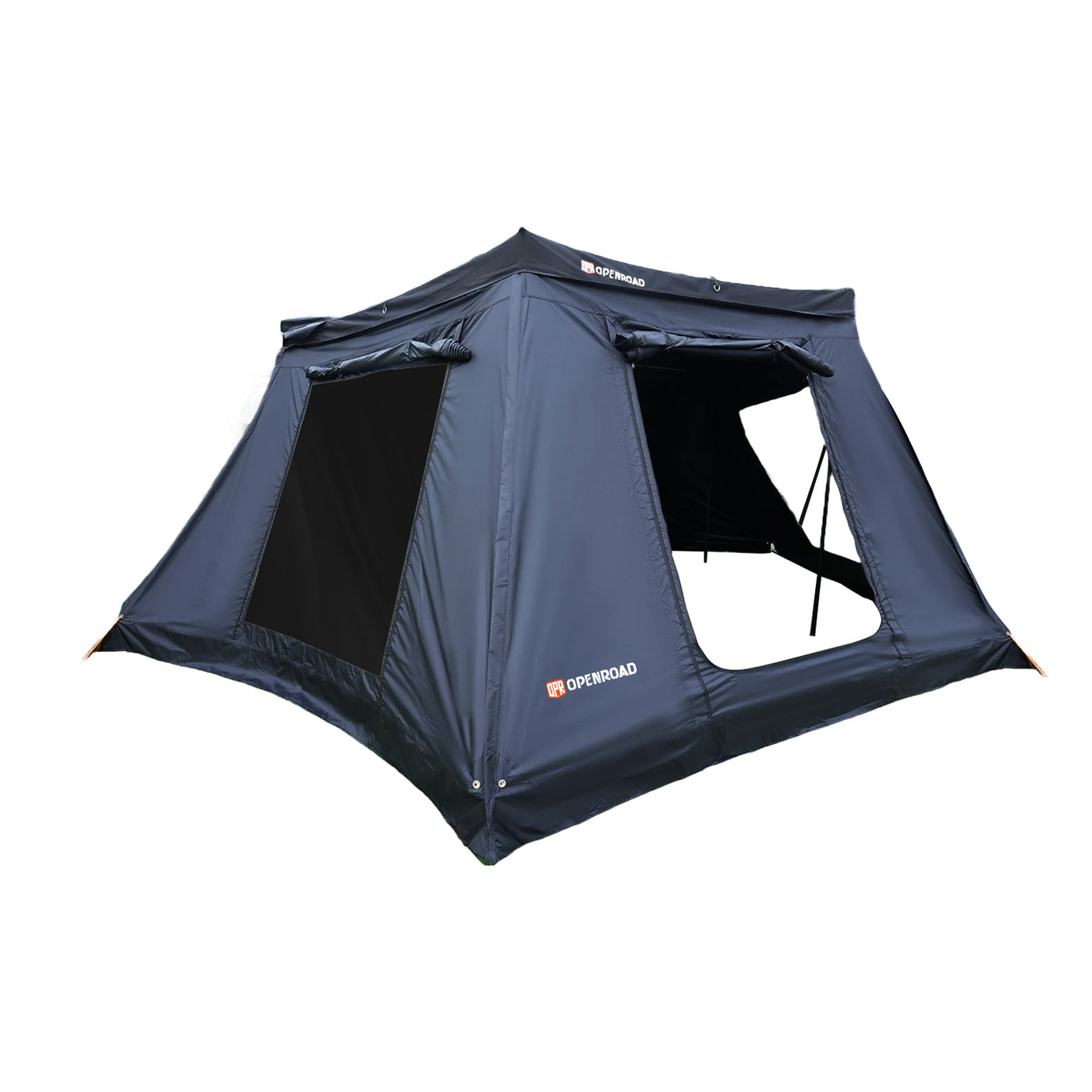
Off-road tents are for camping away from campsites. The model may be a ground tent, vehicle-mounted shelter, or part of a larger camping arrangement with an awning. Ground tents rest directly on a suitable surface, whereas rooftop tents attach to a roof rack or mounting mechanism.
Flexible campers may prefer ground-based options. Park your car, set up your tent, and sleep away from it. This setup is useful for traveling with friends, staying longer, or taking short drives after camp.
The environment matters too. Tent pitches can be affected by uneven ground, tree roots, drainage, wind direction, and overhead branches. Even with outdoor equipment, a decent campsite demands careful selection.
How Do Rooftop Tents Work for Overlanding?
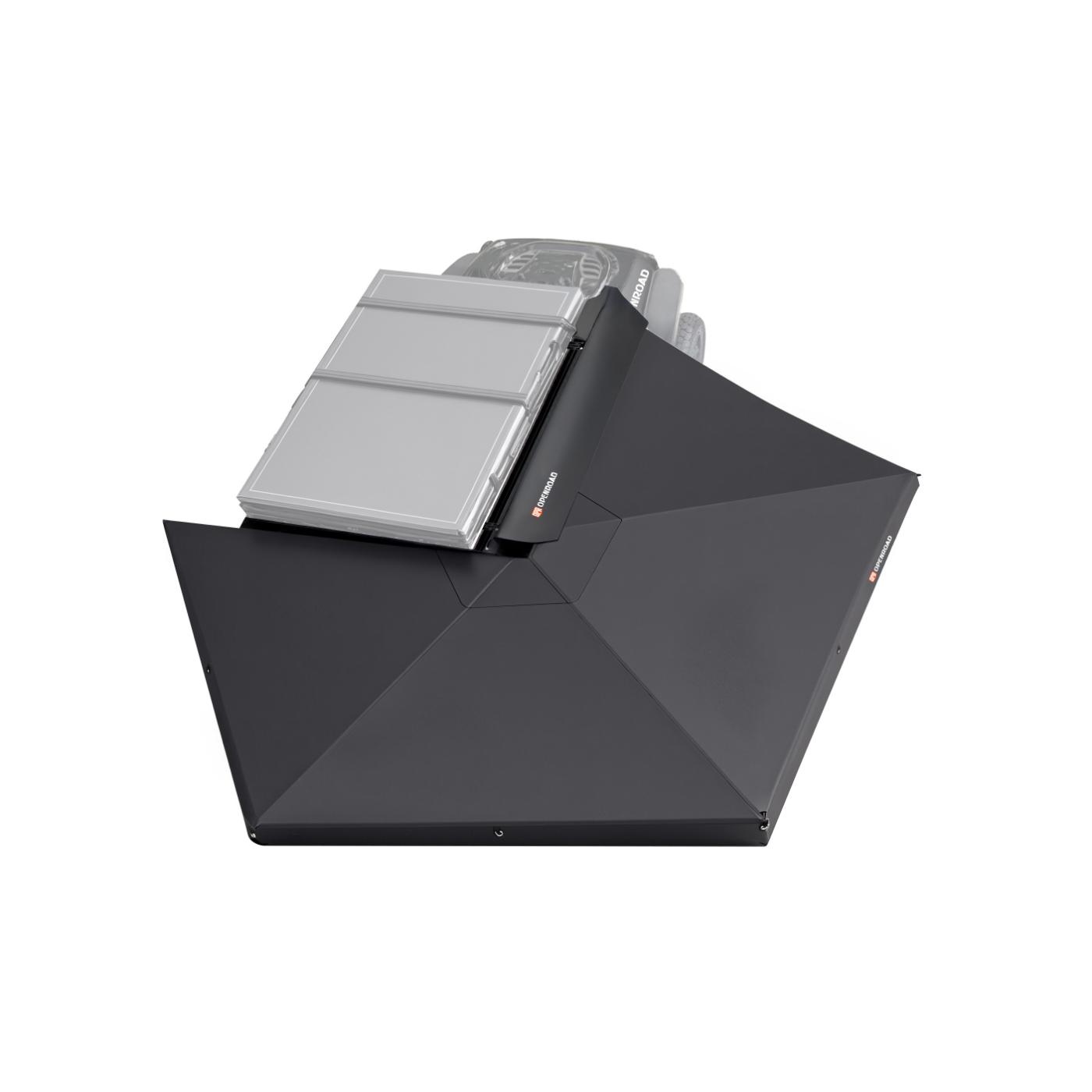
Depending on the design, a rooftop tent mounts to a roof rack or truck bed. After arriving at camp, unfold the tent per the manufacturer's instructions. Folding variants and assisted-opening hard-shell models are available.
The main distinction is that you sleep above ground. The tent floor need not be flat, but you must park safely on sturdy, somewhat level ground. The vehicle and mounting mechanism must support the tent's weight within the specified limits.
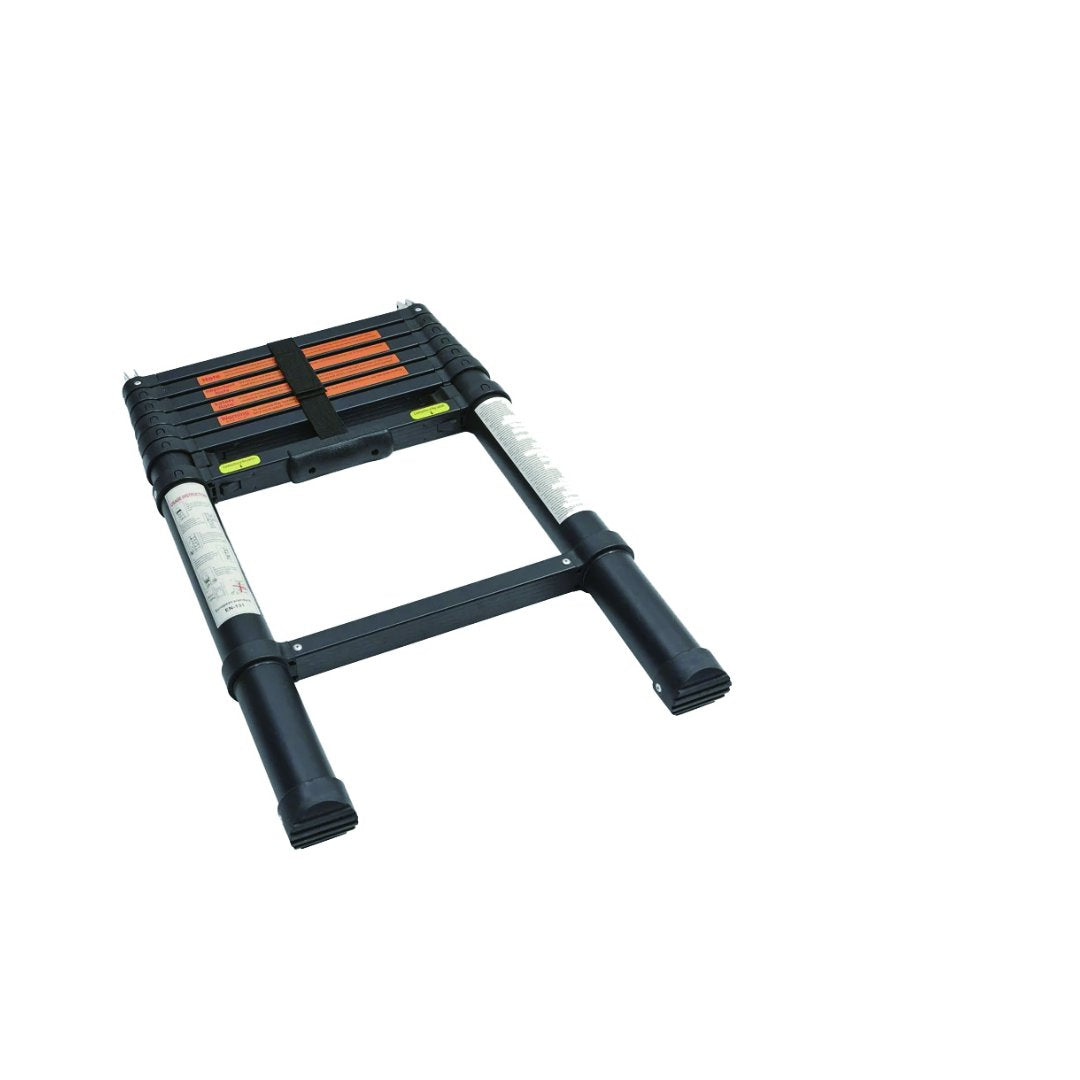
People who switch campsites may like rooftop tents. You keep a ground tent on the truck instead of in a backpack. However, ascending a ladder, getting bedding, and opening or closing the tent become routine.
A rooftop tent may be ideal for overlanders who move between trail stations and want a dedicated sleeping place. It's not always preferable, especially if the vehicle leaves camp during the day.
Off-road Tents vs Rooftop Tents: Setup and Convenience
Camp preparation time might make a difference after a long day on hazardous roads. You may need to unpack, install the poles, secure the guy lines, and inspect the ground for ground-based off-road tents. Next morning's packing requires more work.
Many rooftop tents ease this routine. Openroad4wd's PeakRoof LT Series is a hard-shell with an aided opening system and a 30-second setup time. Setup and pack-down times vary by model and conditions.
Speed is not everything. A ground tent can stay set while you drive for supplies or a day vacation. Leave camp with a rooftop tent by packing it away or planning your day around keeping the car at the campsite.
A ground tent may be easier for a multi-day base camp. In a tour where you travel practically every night, a rooftop tent may save time.
Off Road Tent vs Rooftop Tent: Comfort and Weather
More than tent placement determines comfort. Sleeping area, ventilation, mattress quality, fabric, weather protection, and campsite choice affect sleep quality.
Ground tents are flexible and provide ample interior space without adding weight to the vehicle's roof. Larger designs may allow extra sleeping gear or changing clothes. However, rocky, rainy, or uneven ground might make the tent uncomfortable.
An integrated mattress is common in rooftop tents. For instance, the hard-shell PeakRoof LT has an aluminum floor, dual-layer mattress, and breathable poly-cotton fabric. While these characteristics can help compare sleeping comfort and structure, they do not eliminate the necessity to prepare for changing conditions.
Both require ventilation and safe mounting. Place ground tents away from drainage canals and fallen branches. Rooftop tents must be properly parked, installed, and under vehicle load limitations. No design guarantees safety in harsh weather.
Offroad Tents vs Rooftop Tents: Vehicle Compatibility
Ground tents keep their structural weight off your roof, freeing up space for additional equipment. Compact SUVs, cars with limited roof-load ratings, and overlanders carrying recovery boards, storage boxes, water, and other gear should consider this.
Rooftop tents need racks or platforms. Before installing the rack, check the vehicle's roof load restrictions and rating. Pay attention to whether the roof capacity pertains to a stationary, moving, or both vehicles. The tent, rack, mounting hardware, and accessories must be considered.
Consider how the tent affects vehicle height and weight. Entering garages, crossing low branches, and navigating trails can require extra height. Heavy roofs can affect handling, especially over uneven terrain.
A bed rack or mounting device may allow truck owners to camp on the roof of their trucks. Instead of assuming a single mounting arrangement fits all trucks and SUVs, check compatibility for your vehicle.
Why Recovery Gear Matters Alongside Your Tent
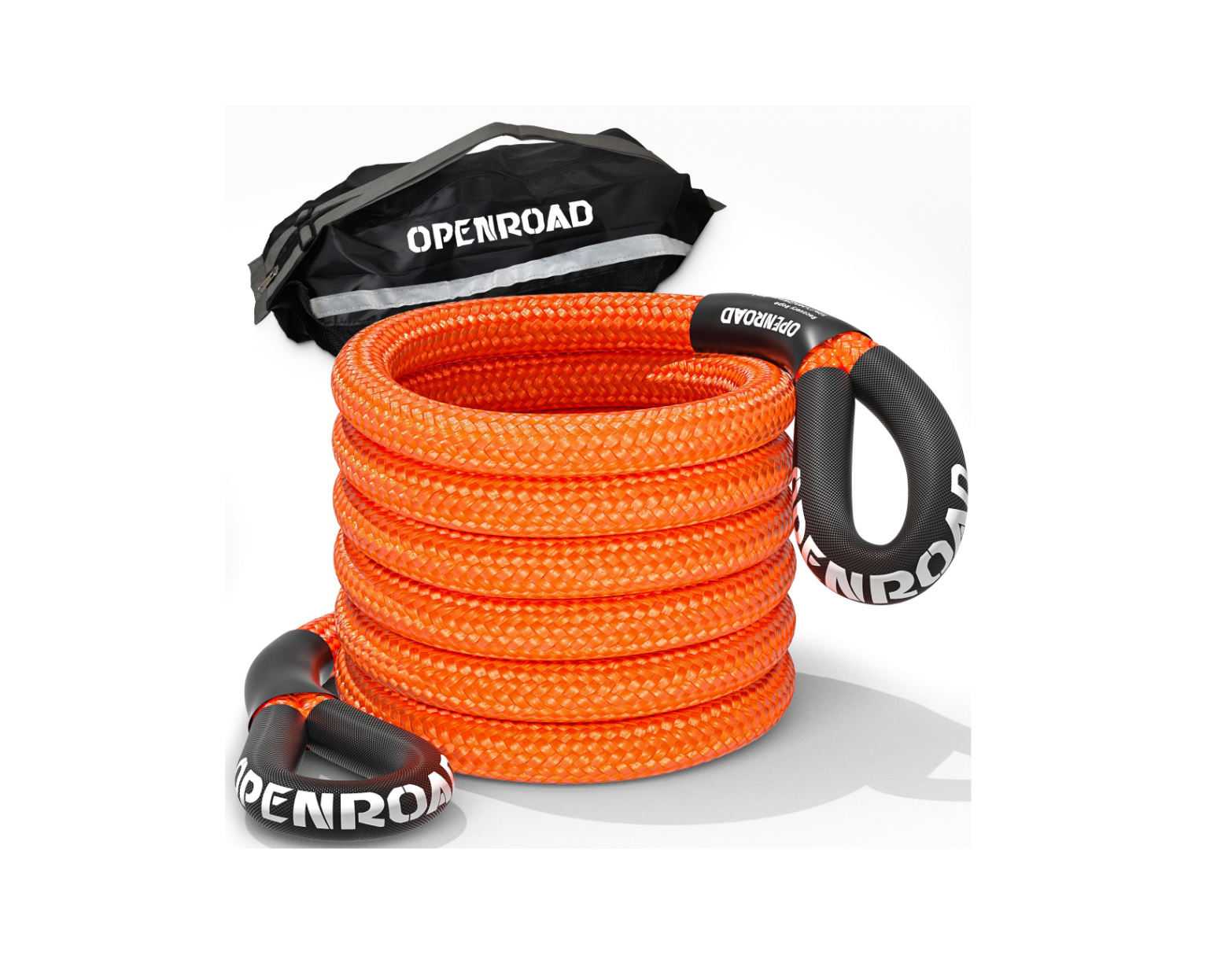
A pleasant campsite is only part of overlanding. Remote paths might have loose dirt, mud, steep approaches, and rocky sections that may require vehicle recovery.
A well-fitted vehicle can be recovered with an off-road winch if the recovery is planned and executed properly. Check the vehicle's recovery points, mounting arrangement, electrical requirements, rated pulling capacity, and manufacturer's instructions before buying. Winches should never replace cautious driving or recovery.
When comparing open road winches to other recovery solutions, look beyond the advertised pulling capacity. Consider rope type, remote controls, motor specs, weather protection, and vehicle mounting hardware. The proper decision relies on vehicle weight, topography, and recovery conditions.
The same checks apply to open road winches of different configurations. A good winch should fit the vehicle's mounting points and be compatible with recovery gear. Rig properly, utilize rated recovery attachments, and keep spectators away from the recovery line and recoil zone.
Tents and winches solve distinct challenges, yet both help overlanders plan. Plan sleeping arrangements around your camping spots and choose recovery gear based on expected conditions.

Which Tent Is Better for Your Overlanding Style?
The best option depends on how you travel, where you camp, and how much gear your automobile can carry.
If you want flexible campground arrangements, want to leave your shelter standing while driving, or need to keep your vehicle roof open for other stuff, choose an off-road tent. You can even use it for infrequent camping trips without committing to a vehicle-mounted system.
If you frequently change campgrounds, like an elevated sleeping platform, and want your sleeping gear tied to your vehicle, choose a rooftop tent. Check the tent's dimensions, packed height, weight, mounting requirements, sleeping capacity, and opening method before buying. Consider the entire routine: getting into bed, putting away shoes, handling a damp cloth, and packing things before leaving.
Both options require a short tour to test your system before entering a distant country. You will have time to find any missing items, practice the setup, and decide whether it suits your travel habits.
The best overlanding gear works with your vehicle and makes travel easier. Compare tent designs and recovery equipment at Openroad4wd, and build a setup around your routes, camping preferences, and practical needs rather than appearance.


Leave a comment