








Automotive Awnings Explained: How to Choose the Best Car Awning for Camping and Overlanding

Every vacation has a moment when the sun shifts, the wind speeds up, or a surprise rainstorm makes you run for shelter. This is when an automotive awning shines. No longer a luxury for experienced overlanders, it's one of the most practical car camper improvements. This guide explains vehicle awnings, their styles, and how to choose one for your travel style.
What Makes an Automotive Awning Different from a Regular Tent Add-On
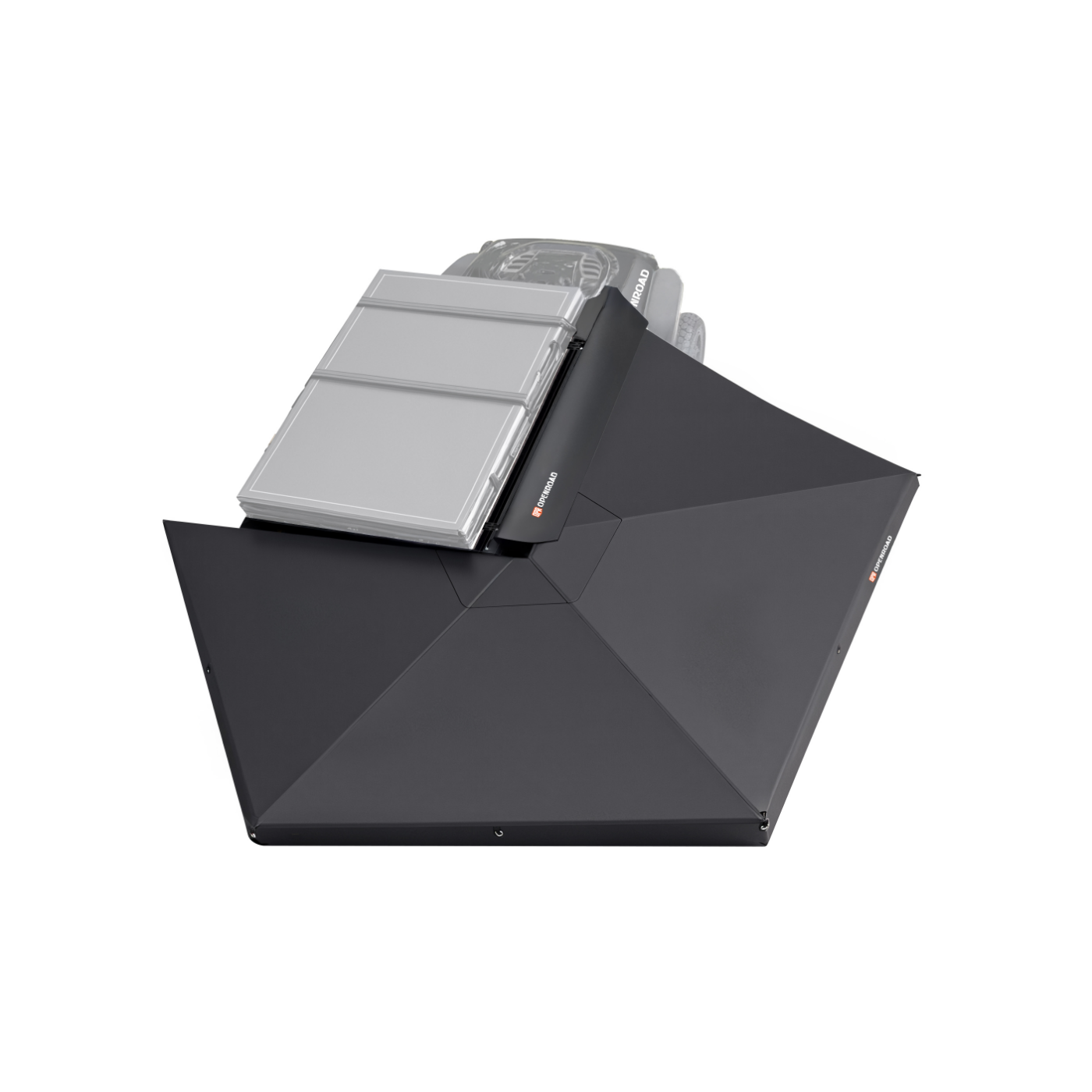
Automotive awnings are more than tarps. An engineered attachment to a roof rack, side rail, or trailer hitch unfolds into a solid, weather-resistant canopy in minutes. It uses your vehicle as an anchor point, so it's easier to set up, requires fewer stakes, and is stronger in windy circumstances.
The frame has aluminum or steel poles and UV-treated, water-resistant canvas or ripstop fabric. Some variants bolt directly to factory roof rails, while others use universal brackets for most crossbar systems. Since awnings vary in weight depending on size and material thickness, verify your vehicle's roof-rack weight rating before ordering.
Awning for Car Camping: Why It Changes the Whole Trip
If you've cooked dinner in direct sun or packed up a soggy campsite after overnight rain, you know how appealing an awning for vehicle camping is. It makes an instant outdoor room—a covered kitchen, dry gear storage, or a place to sit without getting roasted by afternoon heat.
An awning's impact on travel dynamics is often underestimated. A shared, open-air living room attached to the vehicle replaces the tent vestibule. Since the awning can be used to eat, play cards, or wait out a storm, families with youngsters benefit most.
Camping Awning vs. General-Purpose Shade: Know the Distinction
Not all internet shade structures are outdoor-ready. A camping awning must withstand dust, uneven ground, abrupt gusts, and frequent pack-up-and-go cycles, unlike a patio or beach cover. A camping awning has reinforced seams, tensioned guy-lines, and telescoping poles, unlike a backyard barbecue awning.
This distinction matters most when situations change. A camping-rated awning has strengthened anchor points and adjustable legs to withstand wind, unlike a shade canopy.
Best Roof Rack Awning Options for Different Vehicle Types
Rooftop arrangements are still the most popular for good reason. The best roof rack awning relies on your vehicle's roofline and deployment frequency. Compact SUVs benefit from lighter, shorter awnings that don't strain the crossbars, while trucks and bigger overland rigs can take heavier-duty ones with 180-degree or wraparound covering.
Mounting hardware varies. Some roof rack awnings mount directly on round or square crossbars, while others need a plate. Before buying, make sure it fits your rack system, as mismatches are one of the most common returns.
Foldable Awning Designs Built for Speed and Simplicity
Anyone who values quick setup above intricate features might consider a foldable awning. These models fold into a low-profile bag or hard case that mounts flat against the roof and unfolds without loose poles. This design encourages frequent campers who don't want a show every time.

Foldable car awnings pack down smaller than pole-based types, which is important if your roof is already occupied by a tent or cargo box. Foldable awnings offer less shade than fixed ones, so it's a balance between convenience and shelter footprint.
Car Camping Awning Features Worth Comparing Before You Buy
Compare a car camping awning by its cloth denier (thickness), waterproof rating, pole material, and rack attachment method, not its marketing photos. Over years, higher-denier materials withstand tearing and abrasion, while a strong waterproof covering keeps the underside dry during lengthier downpours.
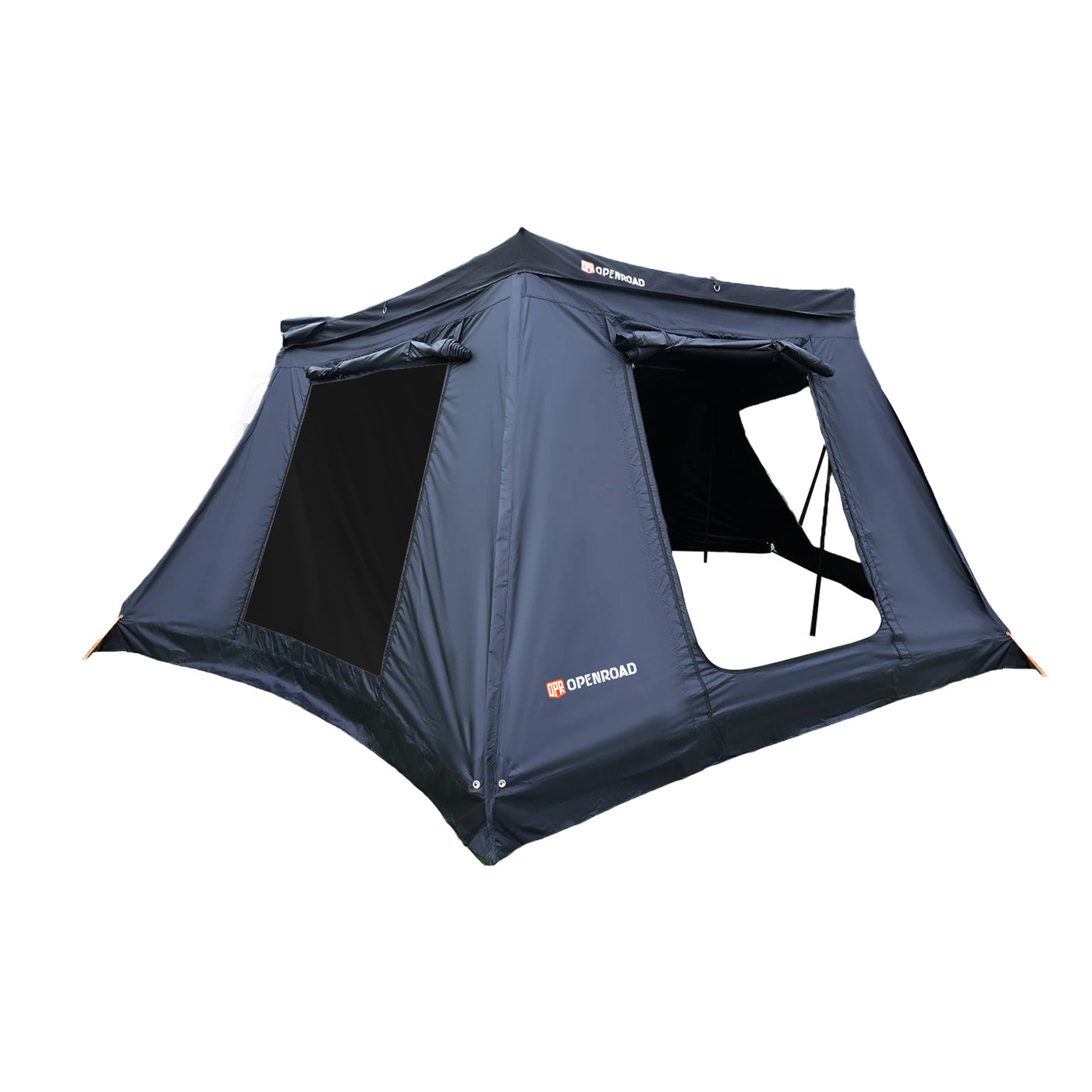
Check if the awning has wall panel attachment points. As they go, campers add zip-on side walls or an annex room to their car awning to make it a completely enclosed shelter.
Matching the Best Car Awning to Your Travel Style
The best car awning relies on travel frequency, group size, and terrain. Weekend campers who stay at established sites can consider setup and weight. Overlanders on distant routes should choose sturdy, reinforced designs that can withstand variable conditions. The coverage width must accommodate chairs, a table, and a cooking space for families.
Considering how often you'll use it—every weekend vs a few trips a year—prevents splurging on items you won't need or underbuying and outgrowing your setup in a season.


Hinterlassen Sie einen Kommentar