








270 Degree Awning vs Straight Awning: A Complete Guide to the Best Free Standing Awning for Camping

Picking shade gear for your rig shouldn't be guesswork. The choice between wraparound wings, straight canopies, and every bracket system depends on how you camp, not just how much shade you desire. This essay explains the differences between a 270-degree and a straight awning and helps you choose a free-standing awning for your vacations.
What Makes a 270 Degree Awning Different
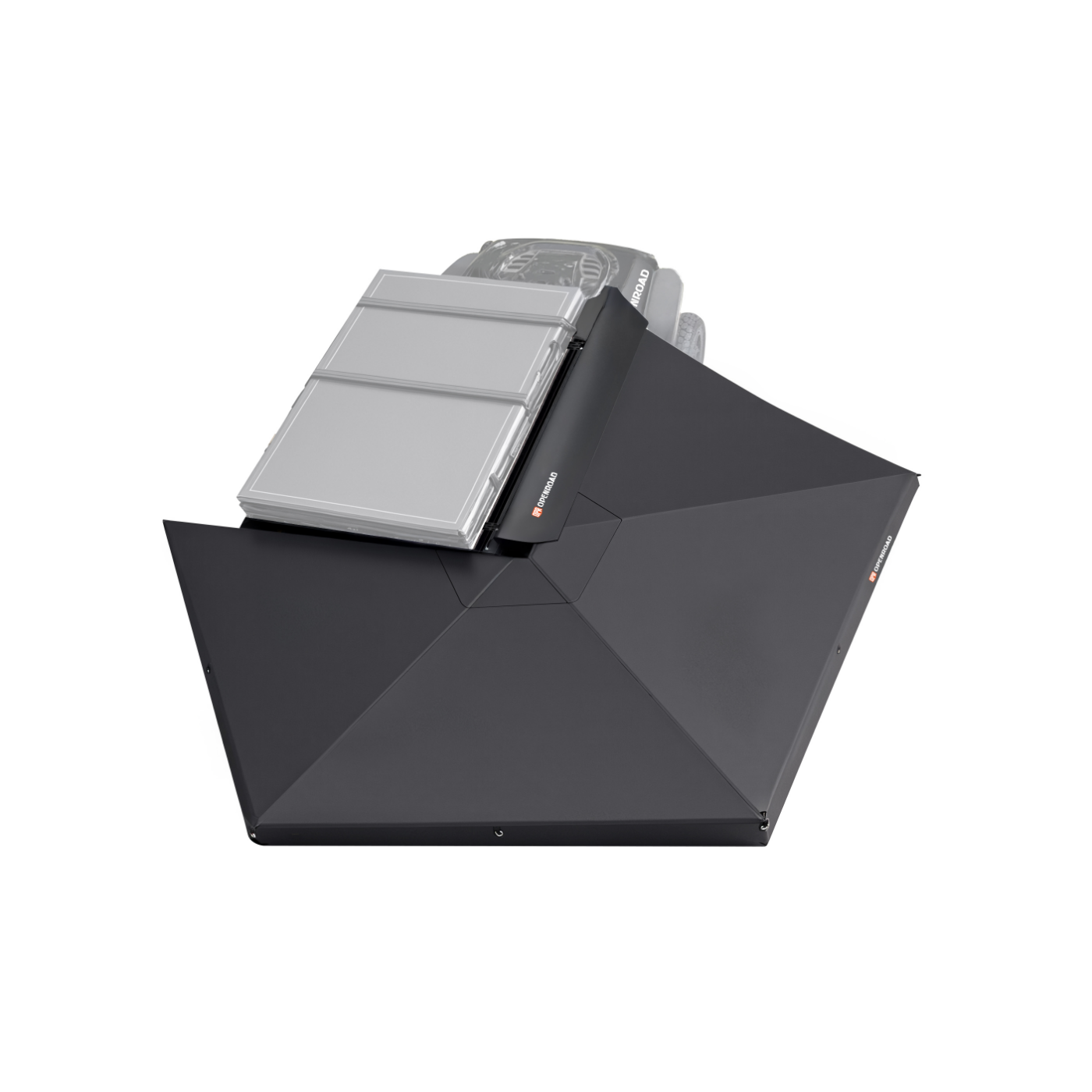
Instead of protruding straight out from one wall like a canopy, a 270 degree awning rolls a quarter-circle around your vehicle's side and rear (or side and front). With that curved shape, you can shade your tailgate kitchen and chairs without bringing out a second shelter.
By design, straight awnings are simpler. They extend in a rectangle from one side of the car. With fewer arms, reduced weight, and an easy-to-understand setup, simplicity is beneficial. You're confined to one shade strip, which can seem tight with a table, stove, and camp chairs.
Why Free Standing Awnings Change the Setup Game
The foundation of awnings has changed the most in recent years, not the shape. Free-standing awnings don't support themselves on your vehicle's roof rack or side panel. It has ground-mounted legs, so the frame carries the load instead of your mounting brackets.
This matters more than expected. To protect your roof rack from wind gusts, a freestanding 270 awning distributes stress among independent support legs. It also allows you to alter the angle, move around the structure, and mount it on the car without a door or liftgate.
The ground legs of a 270 free standing awning on a smaller SUV with a rear liftgate allow the canopy to swing clear of the door swing, unlike a rack-only mount.
Coverage and Setup: 270 Degree Awning vs Straight Awning
Usable square footage versus setup speed is the fundamental comparison between 270-degree and straight awnings. A straight awning provides a tidy rectangle of shade in just a minute, perfect for lunch or a day excursion. Since the canopy rotates across a broader arc, a 270-degree design takes longer to fully deploy, but it turns your vehicle into a basecamp with shade on two exposures.
Weekend vacations with a full kitchen, sleeping area, and gear staging frequently choose wraparound covering. Speed can outweigh coverage for quick overlanding pauses if you break camp every several hours.
How to Choose the Best 270 Awning for Your Rig
Finding the best 270 awning is about matching coverage, weight, and mounting hardware to your car and trip style, not just picking the biggest canopy.
Start with rack capacity. Not all crossbar systems can hold a large canopy and its arms, especially on trucks with rooftop tents or cargo boxes. In gusty circumstances, larger 270-degree canopies benefit from an extra person, so consider how often you'll deploy solo versus with a second set of hands. Finally, consider fabric weight and ripstop grade. A heavier denier resists UV degradation and abrasion over multiple seasons.
Mid-size 270-degree variants with 95 square feet of coverage are ideal for trucks and mid-size SUVs, while larger XL models are best for full-size trucks, vans, and family camping groups who require additional shade.

Free Standing Car Awning: Matching the Design to Your Vehicle
Not all free-standing car awnings are the same. What works depends on vehicle shape:
Trucks with bed racks can handle the most 270-degree and straight designs due to their large mounting surface.
Since a wraparound canopy might restrict hatch access, SUVs with rear liftgates benefit from awnings that clear the door swing.
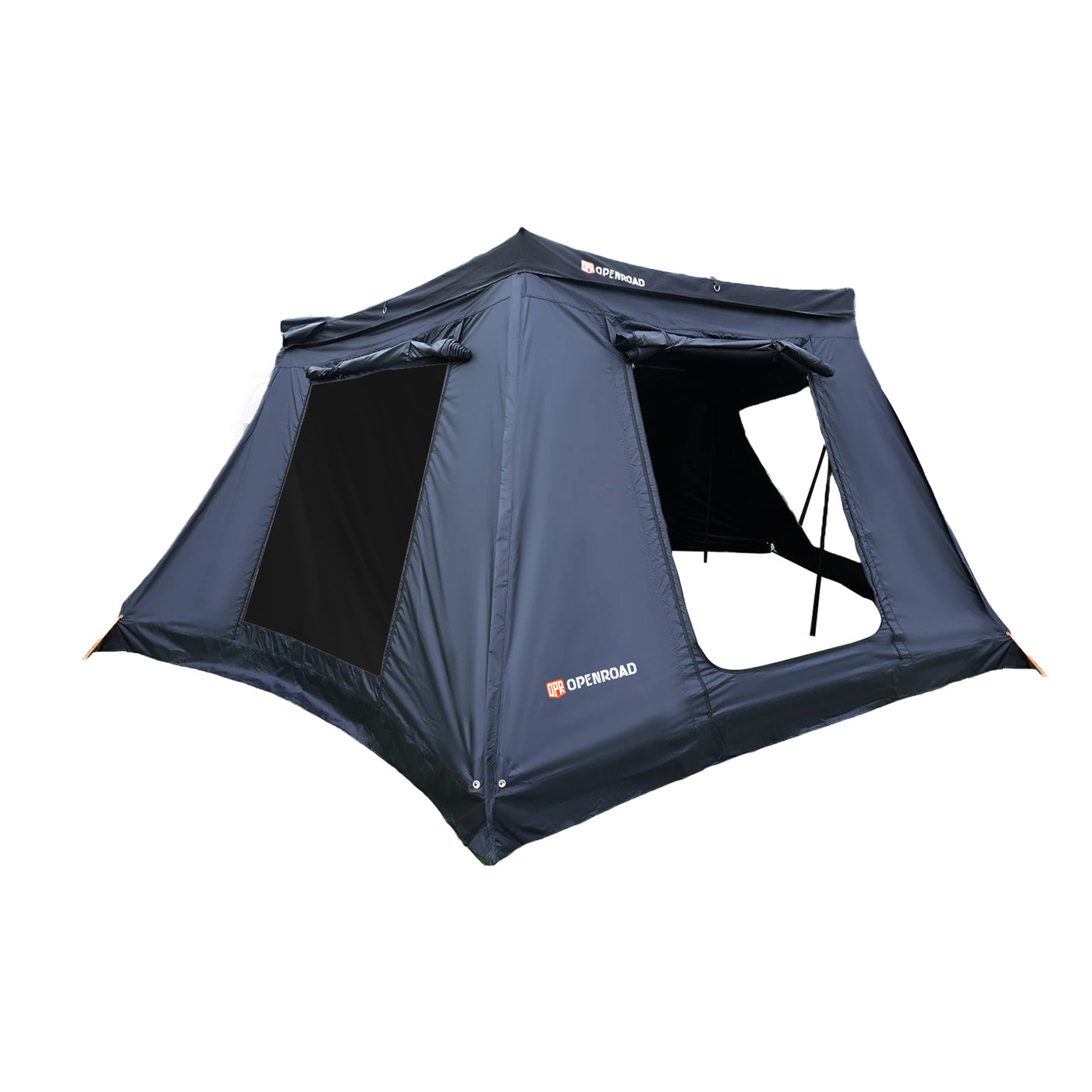
Vans and larger setups benefit from XL covering and sidewalls for a more enclosed camp.
Simple lesson: measure door clearance and rack length before comparing canopy sizes.
Final Thoughts
The best choice between a 270-degree wraparound and a straight canopy depends on space, camp speed, and rack capacity. Whatever you choose, a free-standing design provides more stability and flexibility around doorways, liftgates, and uneven ground than a rack-only mount.


Hinterlassen Sie einen Kommentar