








How Do Car Tents Compare to Traditional Ground Tents?

Camping has traditionally been associated with driving to a distant location, taking a bundle of cloth and fiberglass poles from the trunk, and wrestling with stakes in the soil for an hour. However, modern overlanding and outdoor exploration have changed things. More campers are using vehicle roofs and mattresses instead of forest floors.
Staying grounded or raising your camp are two methods to upgrade your outdoor sleeping arrangements. This detailed comparison compares rooftop car tents versus ground tents in durability, comfort, setup speed, and value.
The Core Differences in Elevated Camping
How these styles interact with your car is the main difference. A classic ground tent is in a bag and separate from your car until you pitch it on grass or dirt.
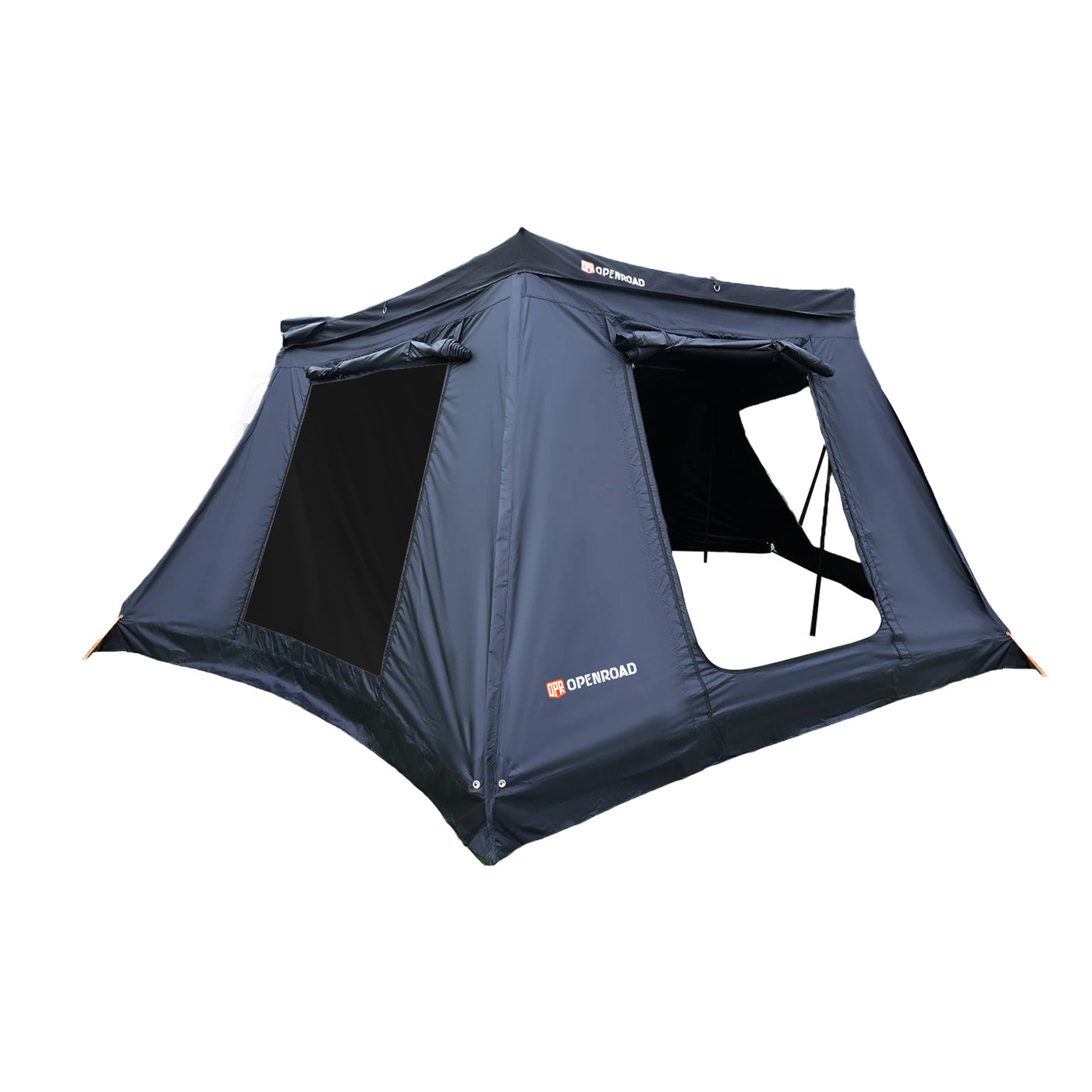
However, automobile tent camping relies largely on vehicle architecture. These mount directly to roof racks, crossbars, or truck beds. Instead of sleeping on rocks, moist soil, and uneven ground, an auto rooftop tent uses your vehicle as a stable platform. This structural alteration affects everything from how much wind the shelter can handle to how much energy you need to set up camp after a long drive.
Pitching Speed and Setup Efficiency
Campers immediately compare the time and effort needed to set up camp.
Traditional Ground Tents: A conventional ground tent requires a clear area, rocks and twigs removed, a footprint laid, poles threaded through fabric sleeves, and stakes driven into the ground. Staking is difficult on rocky or frozen ground. Packing is arduous too, involving folding damp fabric, eliminating air, and shoving it into a tight storage bag.
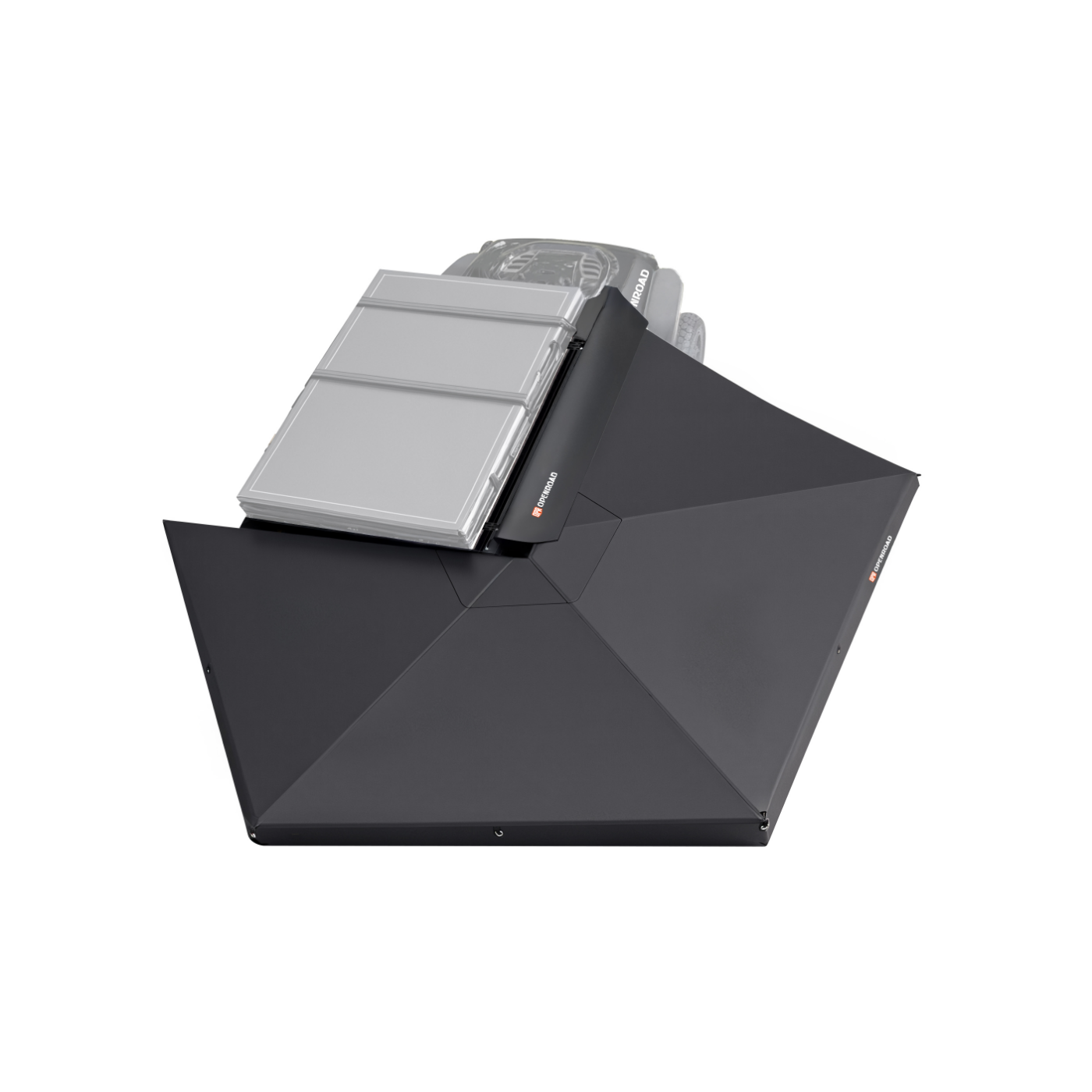
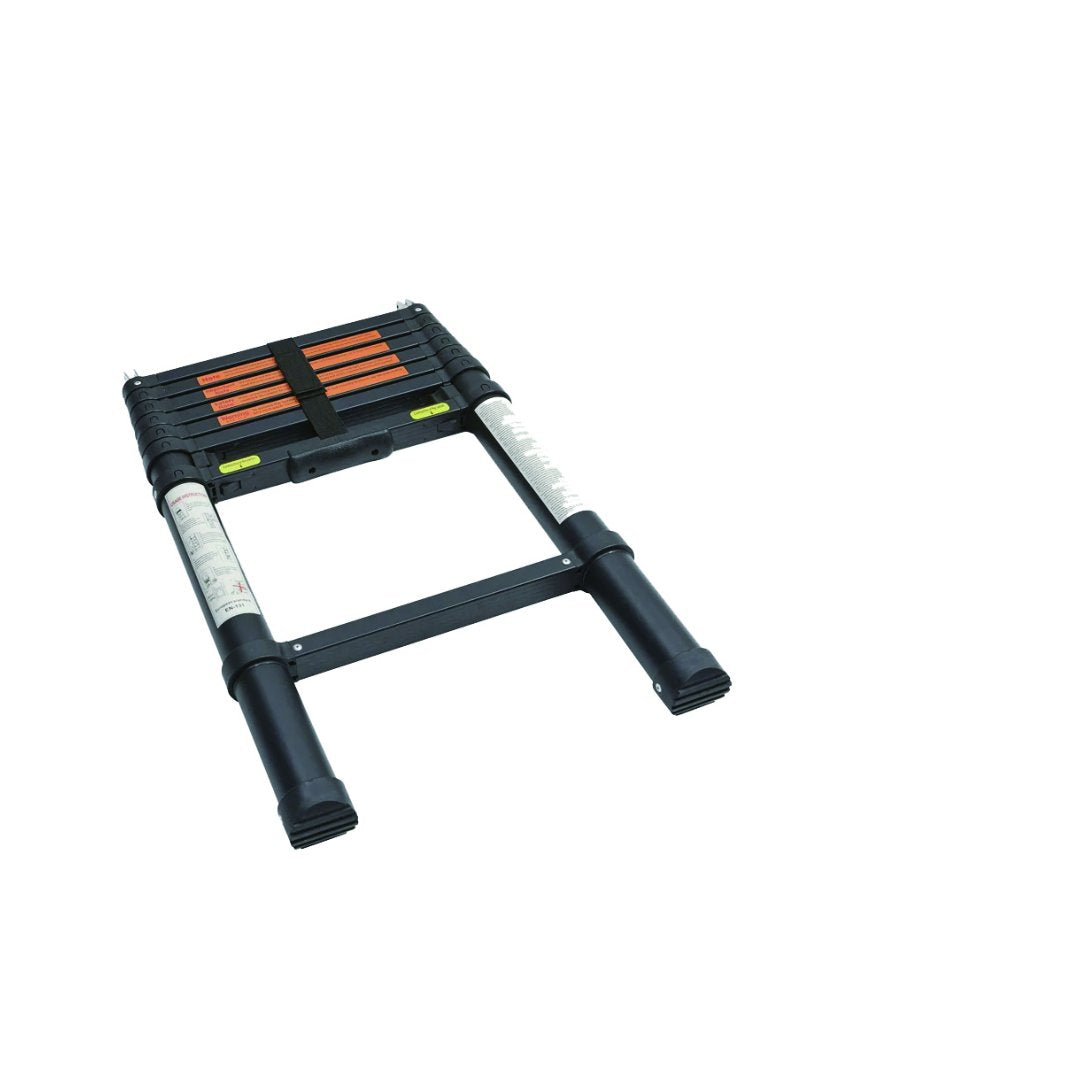
Camping Tents for Cars: Some camping tents for cars reduce this process to minutes or seconds. The tent is pre-attached to your roof rack, so you just undo the heavy-duty travel straps, unlatch the shell or cover, and deploy the gas struts or folding mechanism. With leverage, the ladder lowers and forms your camp. Packing is quick—tuck the fabric in, shut the shell, and drive away.
Weather Resistance and Structural Integrity
A storm at your campsite highlights the engineering differences between ground versions and roof-mounted shelters. Ground tents without proper stakes are prone to water, mud, and wind.
Investing in a Heavy-Duty Rooftop Tent for Sale
Premium rooftop tents for sale have better materials than ground shelters. Ground models favor thin, lightweight textiles to reduce backpacking weight.
Elevated car tents have fewer weight restrictions. Heavy-gauge aluminum or ABS hardshells and robust poly-cotton ripstop textiles. This density insulates against bright sunshine, heavy rain, and howling winds without flapping or collapsing.
The Advantage of an Off-Road Truck Rooftop Tent
Overlanders in deep backcountry terrain use a truck rooftop tent to stay above dirt, rough paths, and surface water runoff. The structure stays stable in heavy storms because the base is made of hard aluminum or honeycomb composite panels rather than flexible tent poles fixed in changing soil.
Sleep Comfort and Interior Space
Comfort drives campers to quit the ground. Ground camping means packing extra sleeping pads, inflatable mattresses, or cots, which take up trunk room and deflate overnight.
An auto rooftop tent with a high-density foam mattress built into its floor panel transforms sleep. No cargo room is lost because the tent folds up with the mattress inside. You won't wake up sliding down an incline or on a jagged tree root because your car's roof is flat.
Vehicle Compatibility and Mounting Requirements
While vehicle-supported camping has structural advantages, it requires hardware and weight that ground tents do not.
- Ground Tents: Highly adaptable. They fit in a compact automobile, motorbike saddlebag, or camping frame.
- Car Tents: Need a solid base. Your roof rack system or truck bed crossbars must sustain both the dynamic (tent weight when moving) and static (tent plus occupants' weight while parked) weights.
Choosing a Dedicated Rooftop Tent for Jeep Models
Jeep owners must consider the mounting design when choosing a rooftop tent for a Jeep. Because stock hardtops or soft tops cannot support a tent, you will require an outside cargo cage or heavy-duty gutter-mounted rack system. After installing that infrastructure, the basecamp is extremely mobile and can tackle narrow off-road tracks with little ground area.

Storage Capacity and Vehicle Cargo Management
Effective gear management may make or break a road trip. Traditional ground gear includes tents, poles, stakes, tarps, sleeping mats, and heavy sleeping bags, which quickly fill your trunk.
Using vehicle camping tents frees up your full cargo space. Traveling with pillows, sleeping bags, and blankets folded inside a hardshell tent on the roof is possible. This maintains your car tidy and ready for passengers or recovery gear.
Long-Term Durability and Financial Investment
Engineering and lifetime differ between these two categories, resulting in a price differential. Weekend ground tents to mountaineering shelters are available.
Due to its premium car hardware status, a high-performance roof tent for sale costs more. However, aluminum framing, heavy-duty hinges, marine-grade stainless steel components, and UV-resistant fabrics make a quality vehicle tent a cost-effective investment for years of frequent overlanding.
Making the Right Choice for Your Adventures
You decide based on your travel style. If you want economic flexibility or to go in remote terrain, a ground tent is still useful.
If you want speedy setups, great sleep comfort, off-ground security from wildlife and wetness, and a sturdy basecamp that attaches to your vehicle, premium car tents are a game-changer. OPENROAD provides precision-engineered overlanding gear and durable vehicle components to enable these enhanced activities, allowing you to travel further and remain out longer with confidence.


Dejar un comentario