








OPENROAD Truck Cap vs OPENROAD Tonneau Cover: How to Choose for Your First Overland Build

You own the truck. You itch. Start with a truck cap or a tonneau cover? This question stumps most first-time overlanders before they hit a dirt road.
OPENROAD's core products can anchor a capable build. They are fundamentally different tools with different priorities. Choosing wrong wastes money and affects every purchase, from where to sleep to how much gear you can carry. This guide compares budget, cargo carrying capacity, sleeping setup, and pickup bed space preservation, which new overlanders care about most.
What You're Actually Choosing Between
Before diving into the comparison, it's worth being clear about what each product is.
The hard shell OPENROAD Aluminum Truck Cap (also called a truck topper) covers your entire pickup bed, flush with the cab. An enclosed, lockable cargo space is weatherproof and secure. The Toyota Tacoma, Ford F-150, Jeep Gladiator, Chevy Colorado/GMC Canyon, RAM 1500, and Toyota Tundra have model-specific OPENROAD fitments. An all-purpose cap with three-colour lighting is available. An Integrated Aluminium Camper with a rooftop tent is available for full-on enthusiasts.
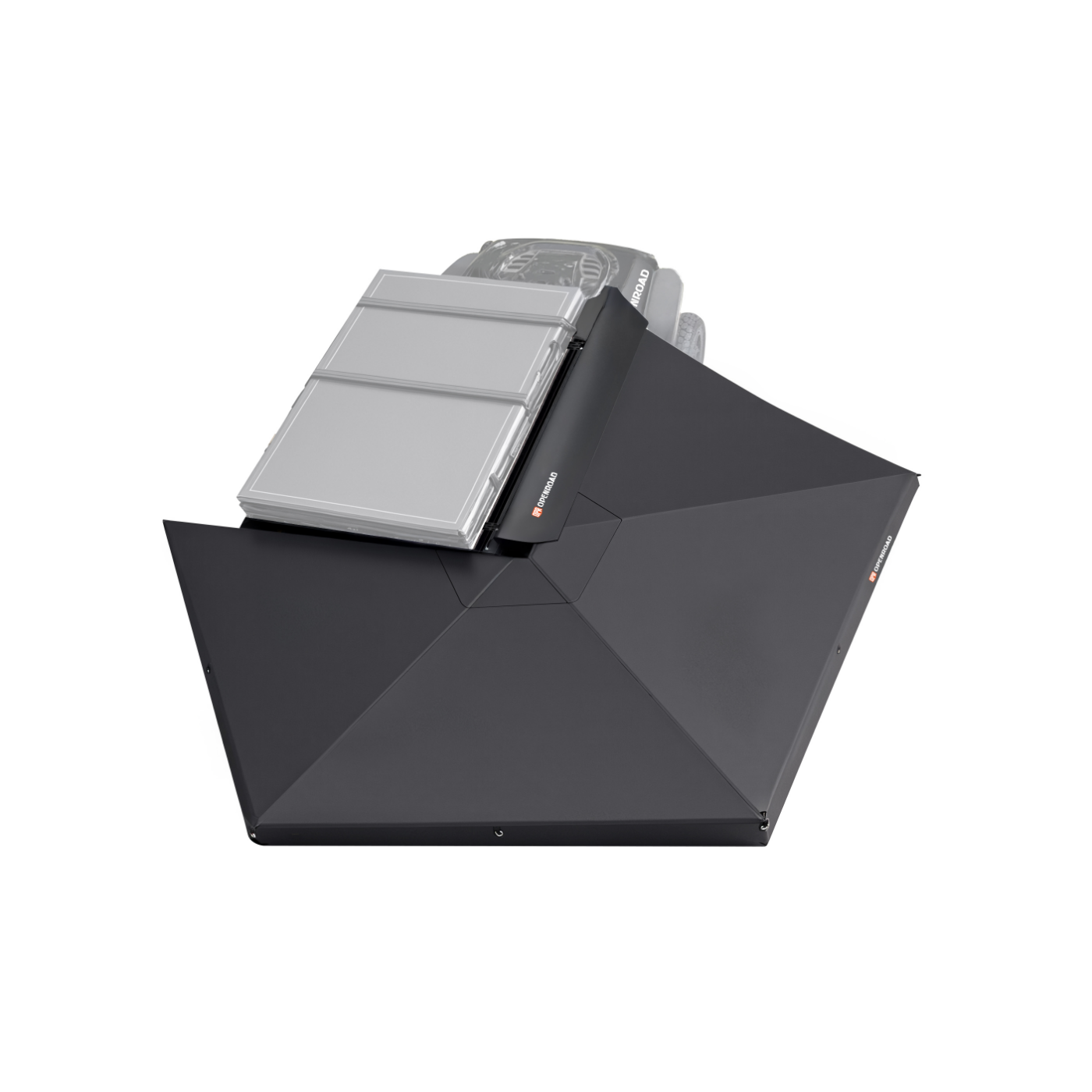
Low-profile, hard-aluminum slat cover OPENROAD Aluminum Retractable Tonneau Cover rolls back into a canister at the bed's cab end. It keeps the bed accessible and protects cargo from weather and theft. As an alternative, OPENROAD offers a Hard Folding Tonneau Cover. Overlanders who want to build up use a bed rack and crossbar system with the tonneau.
Put them side by side where it counts.
Budget: How Far Does Your First Dollar Go?
First-time overlanders must consider how their first purchase affects their next purchases.
The Tonneau Cover is OPENROAD's entry-level model. It keeps the bed clean, protects your gear, and improves aerodynamics. The foundation is not a complete solution. Sleeping in the field requires a rooftop tent and a bed rack or roof rack system. These additions accumulate. If you're building incrementally, testing overlanding, or prioritizing daily-driver usability on a budget, the tonneau cover is a good first buy.
The Truck Cap costs more but includes multiple functions. The weatherproof storage shell doubles as a sleeping platform, security enclosure, and roof accessory mounting base. The cap often provides better value per function over the medium term for first-time overlanders who want to build a functional rig. The OPENROAD Integrated Aluminum Camper, which includes a truck cap and rooftop tent, eliminates the need to buy and install a tent.
Truthful budget answer: Test the waters with the tonneau cover and build from there. If you're committed and want to consolidate your spending into one capable platform, the truck cap front-loads long-term value.
How much cargo can you haul?
Overlanding requires gear. Every trip brings more water, food, recovery gear, camping gear, and spare parts. What covers your bed affects how you organize and transport it.
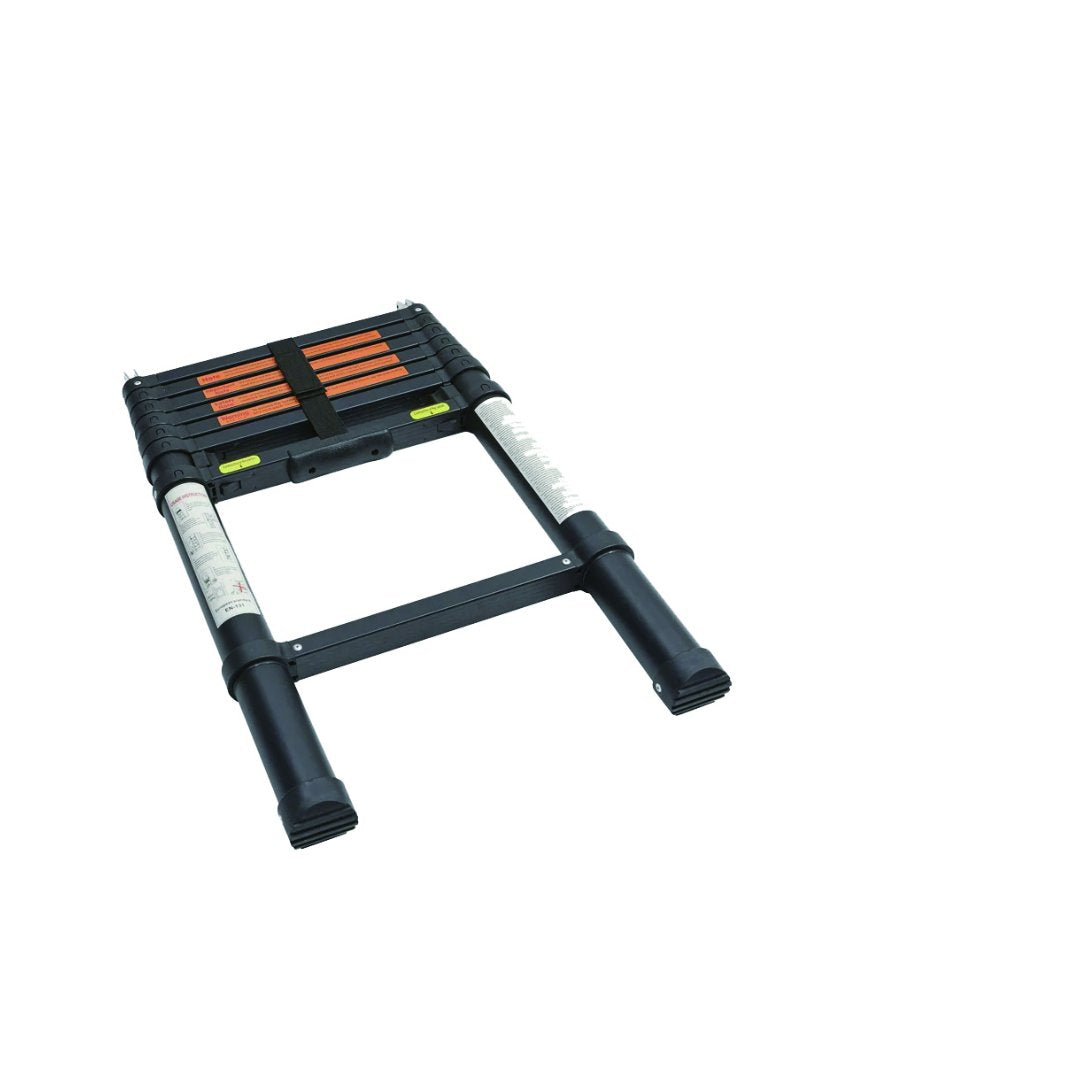
The Truck Cap turns your pickup bed into a cargo bay. This has major benefits. Whether in a campground, trailhead, or city parking lot, your belongings are protected from rain, dust, and theft. OPENROAD's Truck Cap Storage Box can organize the cap's interior and keep gear accessible without tarps or cargo nets. For multi-day or multi-week trips, an organized enclosed bed improves quality of life. The cap has a roof load point. OPENROAD's Truck Cap Roof Rack Crossbars attach directly to the cap, allowing you to carry boards, ladders, or a rooftop tent system.
Tonneau Covers are low-profile protectors, not cargo holds. It keeps bed contents dry and out of sight when closed, but it's not a weathertight vault like a cap and doesn't let you stand up or enter your bed. The tonneau with OPENROAD's Bed Rack provides a full roof-level platform for a rooftop tent, awning, Jerry cans, or recovery boards while allowing bed access for loose gear and coolers. Open beds with tonneau-and-rack systems may be more practical for overlanders who carry large, awkward items that don't fit under a cap (dirt bikes, kayaks, full-size recovery ladders).
The cargo verdict: Organized enclosed storage, security, and all-weather protection favour the truck cap. Tonneau-plus-rack offers flexibility for tall items and an open bed when needed.
Sleeping setup: Where to fall asleep?
This question distinguishes overlanding from truck camping. Your bed cover choice affects your sleeping solution, which is probably the most important part of your build.
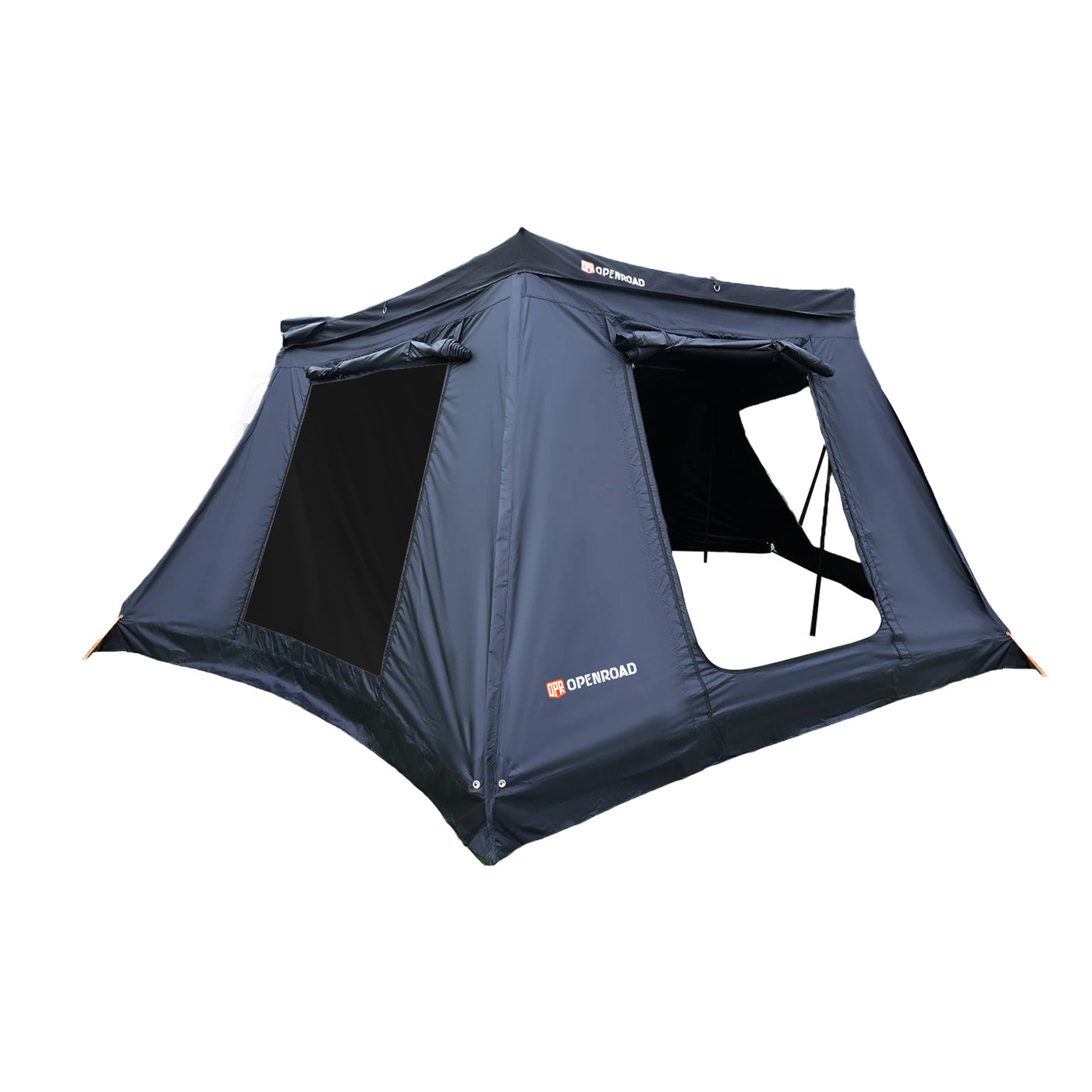
Truck Caps have two main options. Many overlanders build a platform inside the enclosed cap space to sleep at ground level in a secure, weatherproof area. You're protected from wind, bugs, and rain and can get gear quickly. This setup suits colder climates and foul-weather camping. Another option is using OPENROAD's crossbar system to mount a rooftop tent on the cap. The OPENROAD EdgeRoof, FlowRoof Side, and PeakRoof LT Series are hard-shell tents that open quickly and keep above mud and ground moisture. The cap provides a stable, high-clearance platform. The OPENROAD Integrated Aluminum Camper combines a truck cap shell and rooftop tent, eliminating the need to buy and mount them separately.
The Tonneau Cover prevents bed sleep. The cover's low profile prevents access to the sealed bed, and the space isn't livable. Tonneau covers must be removed to sleep in the bed, defeating their protective purpose. Combining a tonneau with a bed rack and one of OPENROAD's rooftop tents creates a clean, elevated sleeping platform with gear protection. This setup is capable—many serious overlanders use it—but it requires two major purchases to achieve what the truck cap can do in one.
The sleep verdict: Truck caps provide more flexibility. It allows in-bed sleeping, rooftop tent mounting, and completes the package in its Integrated Camper form. The tonneau cover encourages rooftop-tent-only sleeping, which works but costs more.
Preserving Pickup Bed Space: Trucking
What happens when you're not overlanding? Build discussions neglect this practical question.
Truck Cap is a major, semi-permanent addition. A properly fitted cap takes time and two people to safely install or remove. After turning it on, your truck becomes a covered hauler, which is great for overlanding and camping but less convenient for hauling timber, furniture, appliances or mulch. The cap protects the bed from weather and scratches, so many overlanders find it worth it. The cap locks your bed to a specific use profile if your truck is also your work, farm, or family hauler for large items.

The Tonneau Cover is better for bed space versatility. The majority of retractable tonneau covers can be rolled open in seconds, giving you full bed access. You can haul a full pallet in the morning and switch to covered cargo in the afternoon. For mixed use, the OPENROAD Retractable Tonneau Cover lets you use any part of the bed while covering the rest, which most cap owners envy. Overlanders who use their truck for multiple tasks benefit from this flexibility.
Verdict on bed access: Any truck owner who needs versatility will choose the tonneau cover. For dedicated overland builds that value full-time enclosed storage over open-bed flexibility, the truck cap wins.
Which Decision Framework Fits You?
This framework is useful, but there's no universal answer.
Select the OPENROAD Truck Cap if:
- You're building a dedicated overlanding rig.
- In-bed sleeping or a stable rooftop tent platform
- On long trips, enclosed, weatherproof, lockable storage is essential.
- You're okay with semi-permanent truck modifications.
- You're willing to invest more in a platform that integrates multiple functions.
Select the OPENROAD Tonneau Cover if:
- You're new to overlanding and want to try it out without a big investment.
- You need open-bed access frequently for your multipurpose truck.
- A rooftop tent on a bed rack will be your main sleeping arrangement.
- Build your kit incrementally with a lower-commitment protective layer.
- You care about aerodynamics, daily-driver looks, and clean profiles.
Conclusion
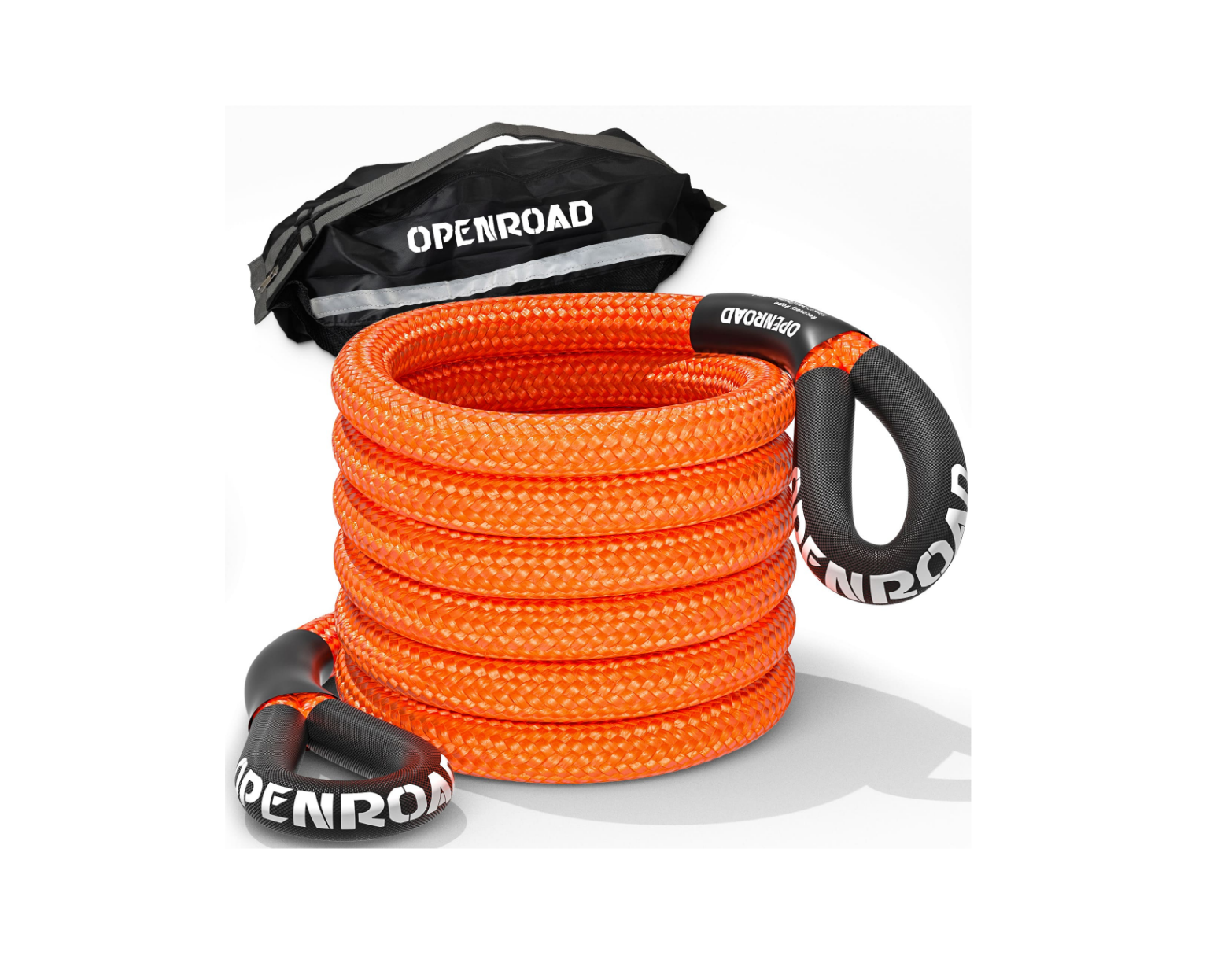
OPENROAD is built on the idea that gear gets better with use. Truck cap and tonneau cover are starting points, not ends. Tonneau can be used with a bed rack, rooftop tent, awning, and overland kit. Crossbars, integrated tents, storage, and recovery gear can be attached to the truck cap. The best choice fits where you are now and leaves room for where you're going next, not the most impressive one.


Lascia un commento