








Best Car Awning for Camping: Complete Guide to Roof Rack & Foldable Awnings

The flexibility of loading up your rig, driving, and camping is unmatched. However, experienced overlanders know that weather may make or break an expedition. UV rays, sudden downpours, and persistent wind can turn a lovely afternoon into a desperate search for shelter. Thus, adding a durable car awning to your overland setup is one of the most sensible modifications. The side of your truck becomes a fully functional outdoor living space in minutes.
Modern markets offer a wide range of setups for the perfect arrangement. Finding the right balance between portability, weight, and coverage is crucial for everything from large freestanding wings that protect many sides of your truck to small, pull-out shelters that deploy instantaneously over a rear tailgate. High-quality overland gear providers like OPENROAD offer sturdy structure solutions to endure unpredictable weather, so you may cook, relax, or work remotely in comfort. This guide goes deep into today's fashions so you can choose the correct gear for your next off-grid trip.
Why You Need a Durable Car Awning
Vehicular camping is popular for its fast basecamp setup. Traditional ground tarps and pop-up canopies require sophisticated guy lines, pegs, and storage bags that take up trunk space. A permanently attached car awning eliminates that friction. It easily moves on the outside of your trailer and can be pulled out when you park because it's firmly fastened to your vehicle's frame or rack system.
These shelters protect the environment and are convenient. High-quality textiles prevent UV rays and keep the area near your vehicle cooler in summer. During unexpected storms, a waterproof overhead shelter protects your entrance from the rain, preventing mud or rain from entering your sleeping space or truck bed.
Choosing an Awning for Camping in Diverse Terrains
Your camp shelter has different problems in different environments. A freestanding awning for car camping is essential if you frequently camp in rocky canyons or sandy coastlines where deep stakes are almost impossible. Freestanding variants use heavy-duty, strengthened aluminum arms instead of vertical support poles to stay stiff when ground anchoring is impossible.
If you like high-altitude mountain locations with unpredictable alpine winds, a system with integrated, drop-down support poles and heavy-duty tie-down straps is essential. When the weather changes, being able to swiftly convert your shelter from freestanding to anchored provides you piece of mind.
Maximizing Space with an Awning for Car Camping
Travelers who prefer RVs to tents must manage space. Using an awning for camping greatly expands your footprint. By extending your living space from the passenger doors or rear liftgate, you may separate kitchen, dining, and lounging areas without cluttering the cabin.
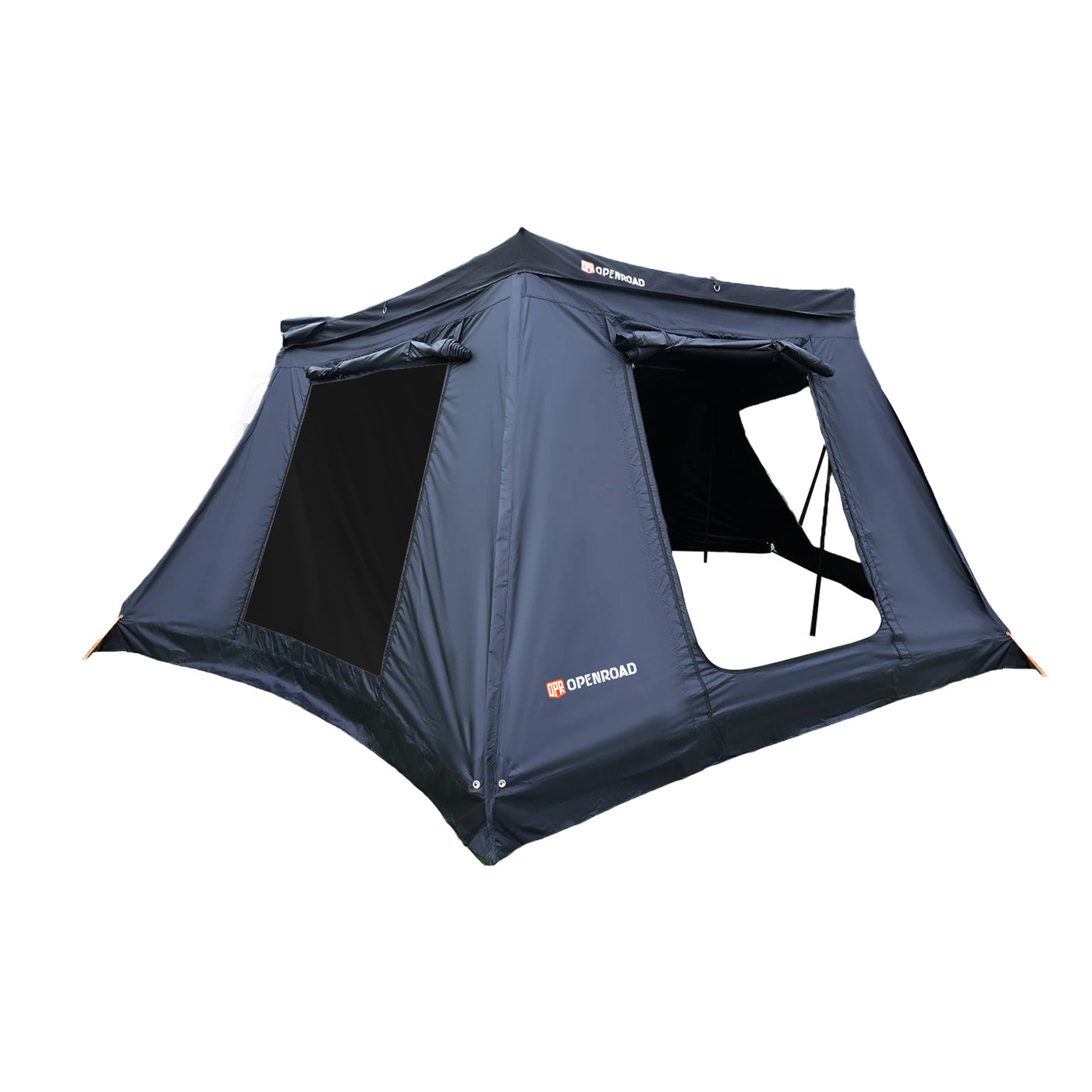
This enlarged footprint makes a great transition zone. The shelter can hold soiled hiking boots, muddy recovery gear, and wet surfboards, keeping your car clean and orderly. Modular zip-on sides may completely enclose this area, turning your open-air shade structure into a weatherproof room for changing or sleeping.
Key Features of the Best Car Awning Models
Knowing what construction aspects to check for can ensure your vehicle shelter lasts for years. The best car awnings have these key features:
- Heavy-Duty Fabric: For complete waterproofing, choose high-density, ripstop canvas (280G or greater) coated with polyurethane.
- Robust Framework: Anodized aluminum joints and arms resist rust and are flexible enough to withstand wind buffeting.
- Streamlined Storage: A robust, UV-resistant PVC travel pouch shields the inside fabric from abrasions, low-hanging branches, and highway grit when driving.
In remote areas, paying attention to these production details prevents structural breakdowns.

The Structural Benefits of a Best Roof Rack Awning
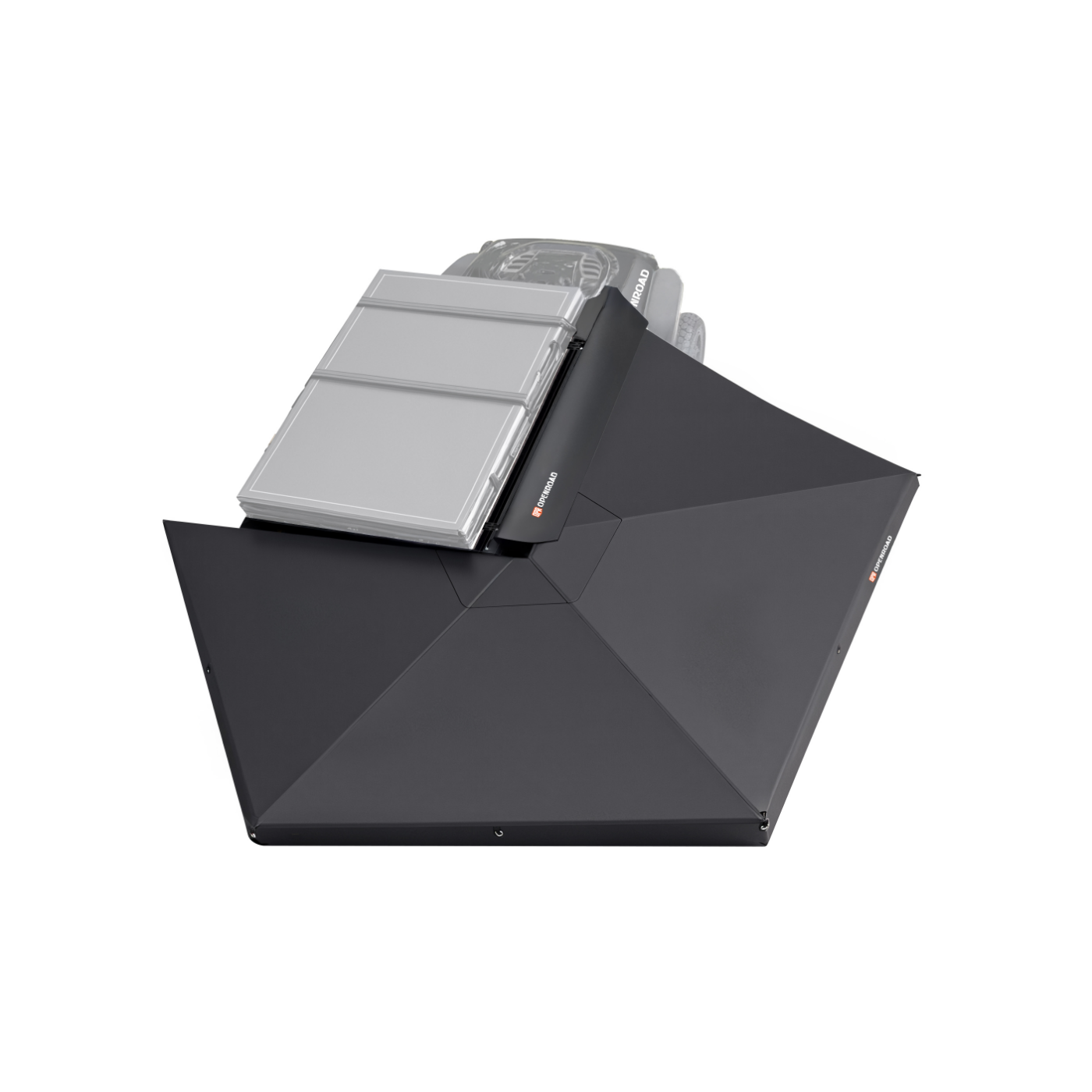
If your trailer has a rooftop tent or heavy-duty platform rack, choosing the best roof rack awning is obvious. These systems use heavy-duty L-brackets that attach into your crossbars' T-slots. On rough washboard roads, this direct integration provides a strong basis that reduces vibration.
Putting the equipment on a roof rack maximizes headroom. It allows taller campers to go under the shade structure without ducking and prevents full-sized pickups or high-roof overland vans' doors from catching on the fabric.
Convenience and Portability: The Foldable Awning Solution
A big permanent mount may be excessive for single travelers, weekend getawayrs, and compact everyday commuters. A lightweight foldable awning excels there. Simple twist-lock poles and roll-out cloth tracks let one person set up these models in under 90 seconds without tools.
The lighter, thinner profiles of these flexible variants reduce aerodynamic drag, improving fuel efficiency on lengthy highway trips. When your vehicle resumes commuter duties in the off-season, they are easy to remove and store in your garage.
Selecting Your Ideal Camping Awning and Fabric Specifications
Finally, balance total shade covering and vehicle weight distribution to choose your layout. For expansive basecamps, a heavy-duty 270-degree camping awning provides wrap-around shelter for your vehicle's side and rear. These systems require large mounting structures. If you drive a smaller crossover or need rear liftgate clearance, a stylish 180-degree or straight pull-out type will cover your roofline without overpowering it.
Conclusion
Buying a good car shelter changes your outdoor excursions. When the midday sun is too harsh or a storm sweeps in, you can relax in the fresh air under your canopy. Understanding the structural distinctions between permanent rack mounts and foldable choices will help you choose the right model for your vehicle layout and travel style, making every campout as peaceful as possible.


Deixe um comentário