








Roof Top Tents for SUVs & Jeeps: How to Choose a Durable Car Top Tent for Camping

Every overlander remembers pulling off a fire road as the sun sets, opening a rooftop tent for an SUV or a rooftop tent for a Jeep in under five minutes, and climbing into a real mattress while the ground below stays cold, wet, or crawling with critters. Rooftop camping became mainstream after that moment. Not every car roof tent camping setup is the same, and choosing the wrong one can result in a leaky shell, a rack that moans on washboard roads, or a tent that doesn't suit your vehicle. This article covers everything from materials to mounting to vehicle-specific fit when buying a camping tent for car use.
Why More Drivers Are Switching to a Car Top Tent for Camping
Ground tents require flat ground, dry soil, and trust that nothing will roam through camp overnight. A car top tent for camping configuration overcomes all three issues. You're above bugs, puddles, and wildlife. Instead of 30 minutes of struggling with poles and stakes, setup and deconstruction take minutes. The tent on your roof rack means you can sleep in any legal, level parking area, no need to find "the perfect campsite". Flexibility is what attracts weekend campers and full-time overlanders.
Hard-Shell vs Soft-Shell: The First Real Decision
Before choosing a brand or model, choose a shell type, which affects all other choices.
Hard-shell SUV and truck rooftop tents open on gas struts with a sturdy aluminum or composite clamshell. They deploy faster, are more aerodynamic at highway speeds, are quieter in the wind, and can withstand years of UV exposure and temperature changes. Compared to soft-shell designs, it costs more and has less interior room.
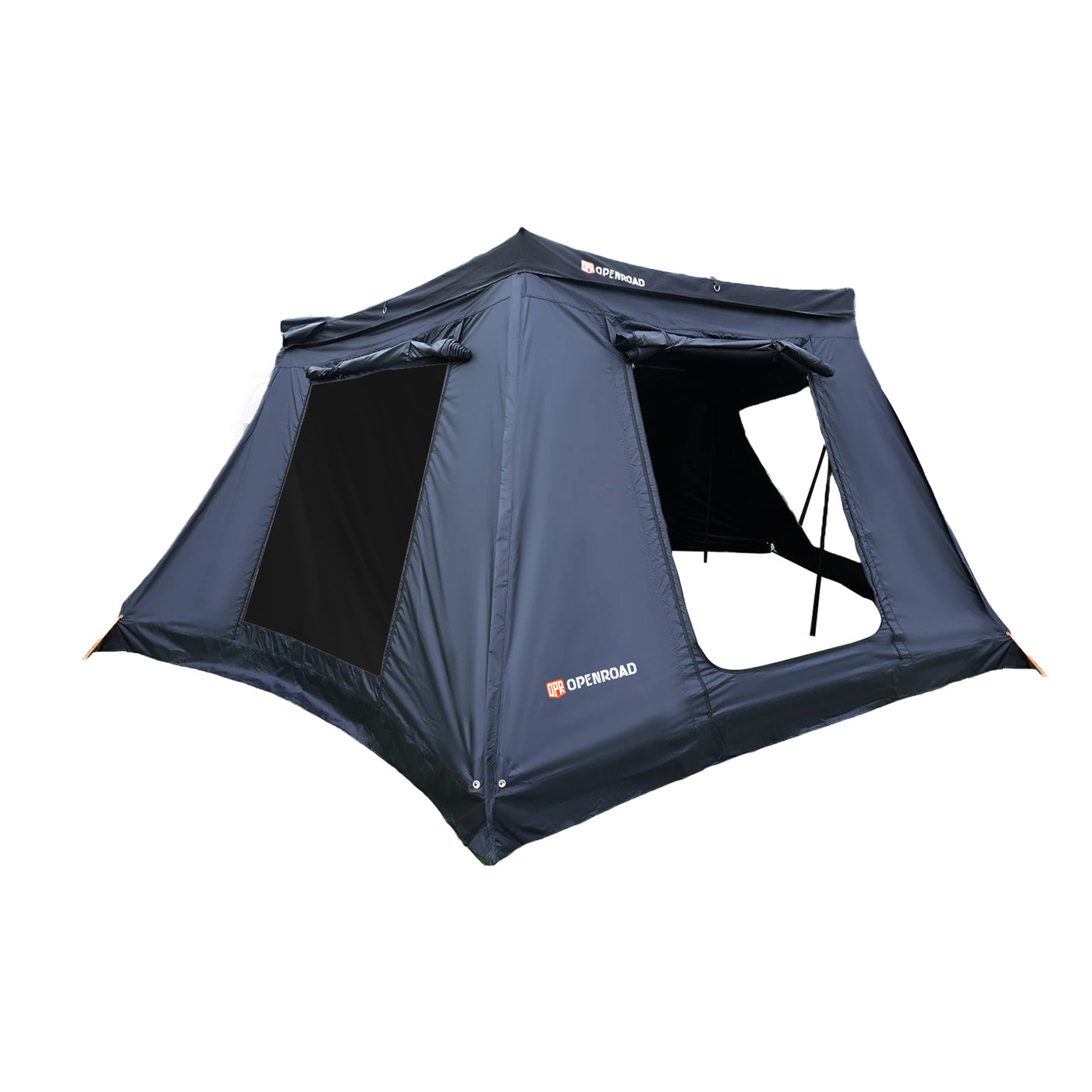
Soft-shell tents fold from a canvas foundation and are cheaper and lighter. They expand into a larger sleeping footprint, which families like. The fabric shell is more susceptible to sun and moisture damage, and setup takes longer than a hard shell's few seconds.
No choice is "better"—it depends on how often you camp, how much wind you expose yourself to, and how much you want to pay upfront for durability.
What Makes a Rooftop Tent Jeep-Ready
Rooftop tent jeeps endure different challenges than minivan tents. Jeeps, especially Wranglers, feature shorter wheelbases, more aggressive trail suspension travel, and widely different aftermarket roof racks. This implies that fit and mounting hardware matter more than most.
Rack and Mounting Compatibility
Consult your Jeep's factory or aftermarket roof rack's weight ratings for static (parked) and dynamic (driving) loads beforehand. A tent that's OK sitting still can overburden a rack when going fast over a rutted trail. Jeep rack systems aren't standardized like factory SUV racks, so look for tents with flexible mounting brackets for varied track widths.
Ground Clearance and Trail Behavior
Rock-crawling Wranglers and Gladiators have a greater center of gravity than other SUVs. A heavy hard-shell tent lifts it, affecting handling on tight switchbacks and off-camber terrain. A lighter aluminum shell mounted low and centered on your rack prevents handling issues from the added height.

Best SUV Rooftop Tent for Your Vehicle
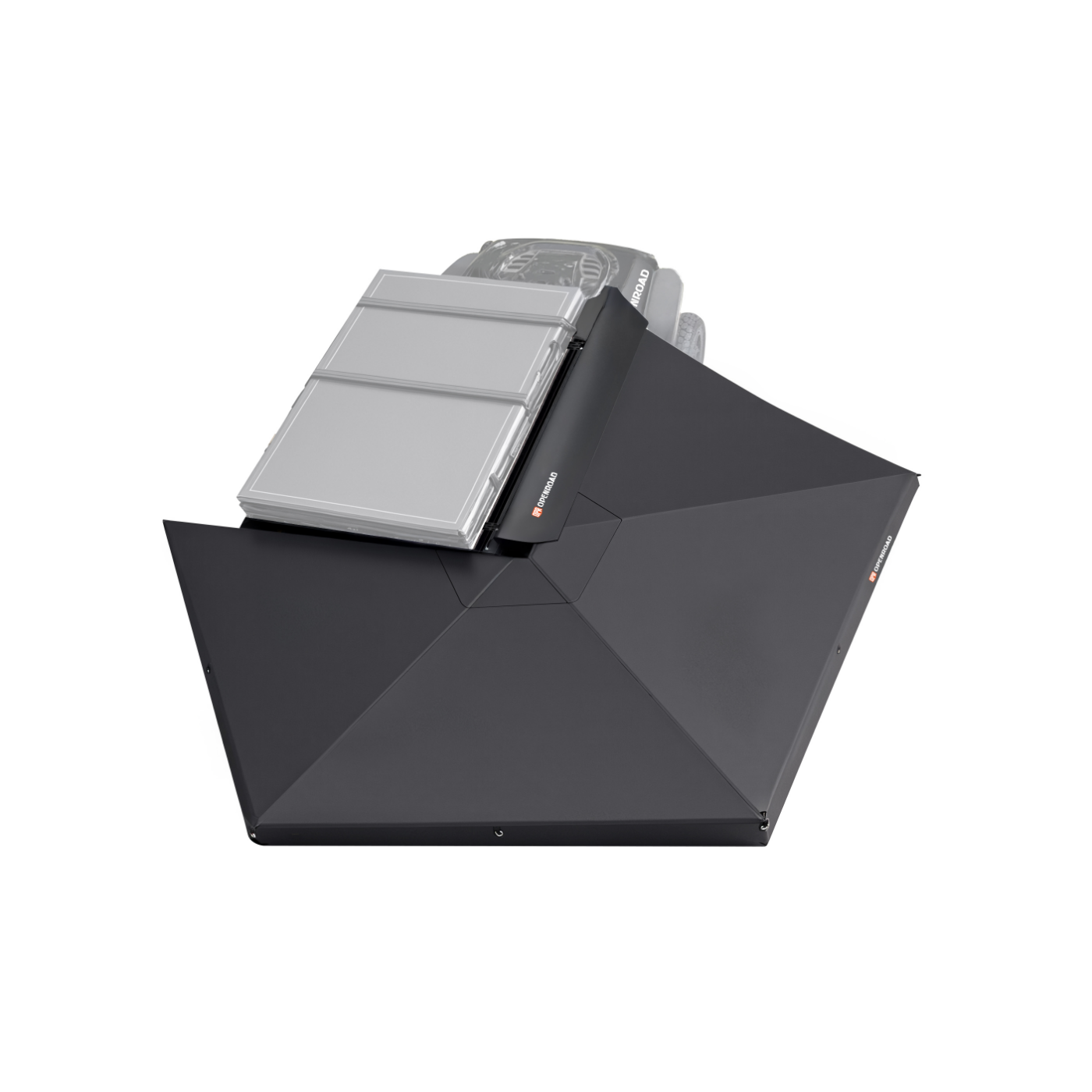
Choosing an SUV rooftop tent over a Jeep-specific construction changes the calculus. SUVs' greater roof surfaces and static weight limits allow for larger tent footprints, including three- and four-person configurations that wouldn't work on smaller vehicles.
Tent footprint to roof length
Wind drag, fuel economy, and rack mounting point stress are all increased by a tent that overhangs your roofline. Before ordering, measure your roof rail length, not simply your vehicle's measurements, and compare it to the tent's closed footprint.
Check Dynamic vs Static Weight Ratings Separately
Most SUV roof tent purchasers only consider the static rating—how much the roof can hold while parked. Safe driving depends on the dynamic rating, which is usually lower. A roof rated for 700 lbs static may only be 150–165 lbs dynamic, which must cover the tent's weight and any gear while driving.
Durability Factors That Actually Matter Long-Term
Anyone may promote "durable." What to look for when comparing product page specs.
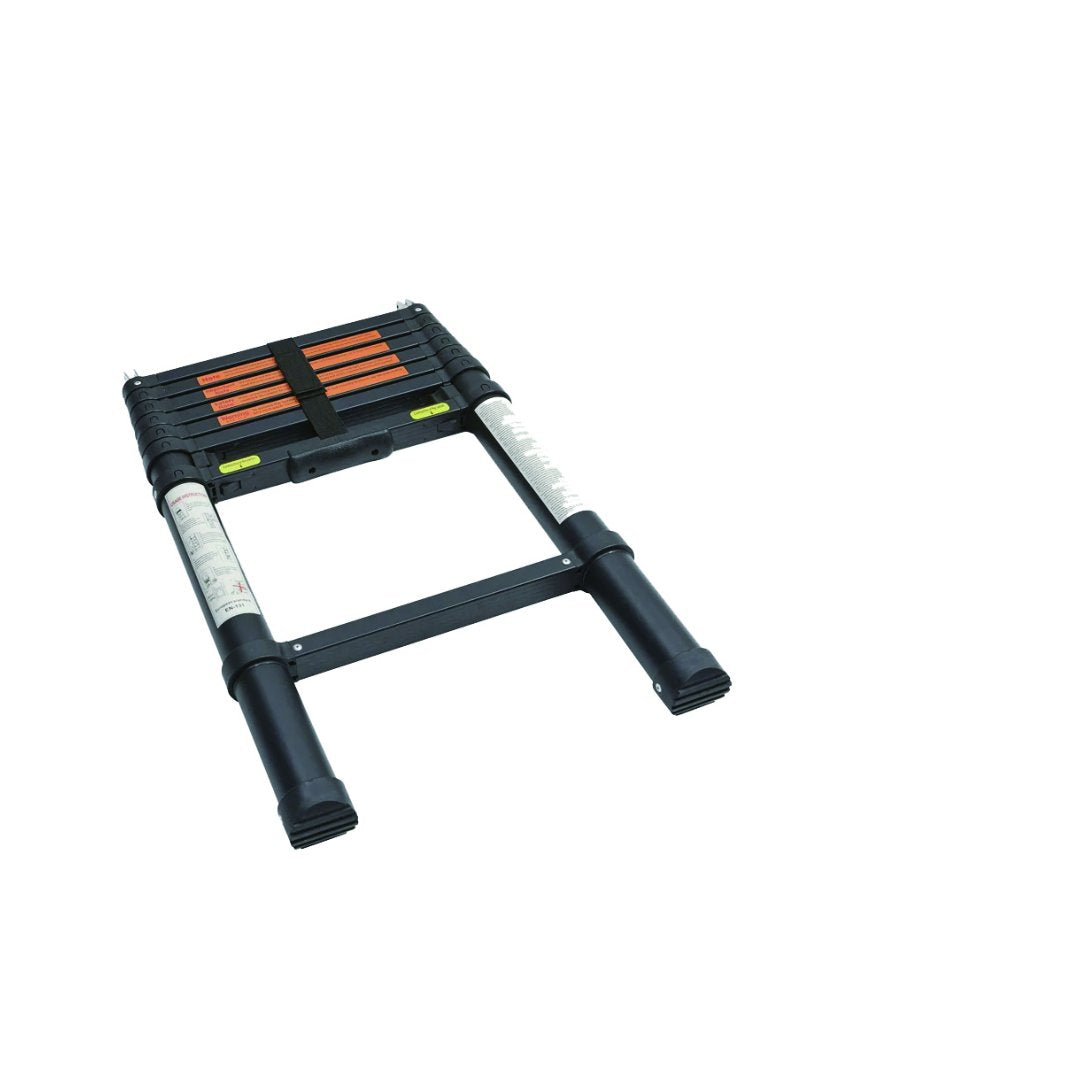
Over several years, aluminum composite panels resist UV deterioration and hail better than fiberglass or heavy-gauge plastic. Canvas walls need double-stitched, taped seams to keep water out during storms, not simply drizzle. Given their frequent stretching and weather exposure, ladder and strut hardware should be corrosion-resistant. Finally, make sure the mattress and canvas are mildew-resistant. A tent that gets packed away damp after a rainy trip must not grow mold by your next trip.
Setting Up for Long-Distance Travel
A jeep or SUV rooftop tent must withstand persistent wind resistance for road-trippers recording long highway miles between campgrounds. At 70 mph, aerodynamic hard-shell profiles cut drag and cabin noise, which matters more for an eight-hour drive than a weekend loop. Since long excursions involve camping in unexpected weather, check if the tent has a rainfly or awning attachment point.
Final Thoughts Before You Buy
The best rooftop tent matches your vehicle's rack rating, trip length, and terrain, not just its features. Take time to measure your roof, validate dynamic weight restrictions, and honestly decide if you need a fast-deploying hard shell or a roomier soft shell. With the perfect combination, a rooftop tent can withstand multiple vehicles' camping trips.


Deixe um comentário