








Roof Top Tent vs Ground Tent: Which Camping Setup Is Right for You?

The finest camping setup suits your travel style. Some campers love driving back roads, exploring new trails, and sleeping in various places each night. These behaviors can make choosing between a rooftop and a ground tent more significant than it seems.
A ground tent is flexible, comes in several sizes, and lets you camp without a car. A vehicle-mounted rooftop tent provides a dedicated sleeping area. Understanding the practical differences might help you choose equipment for your next road trip based on your car, travel goals, and camping habits.
Camping Tent for Car: Finding the Right Setup
A camping tent for a car might be a regular tent or a roof shelter. Both alternatives are beneficial, but your car usage should determine your choice.
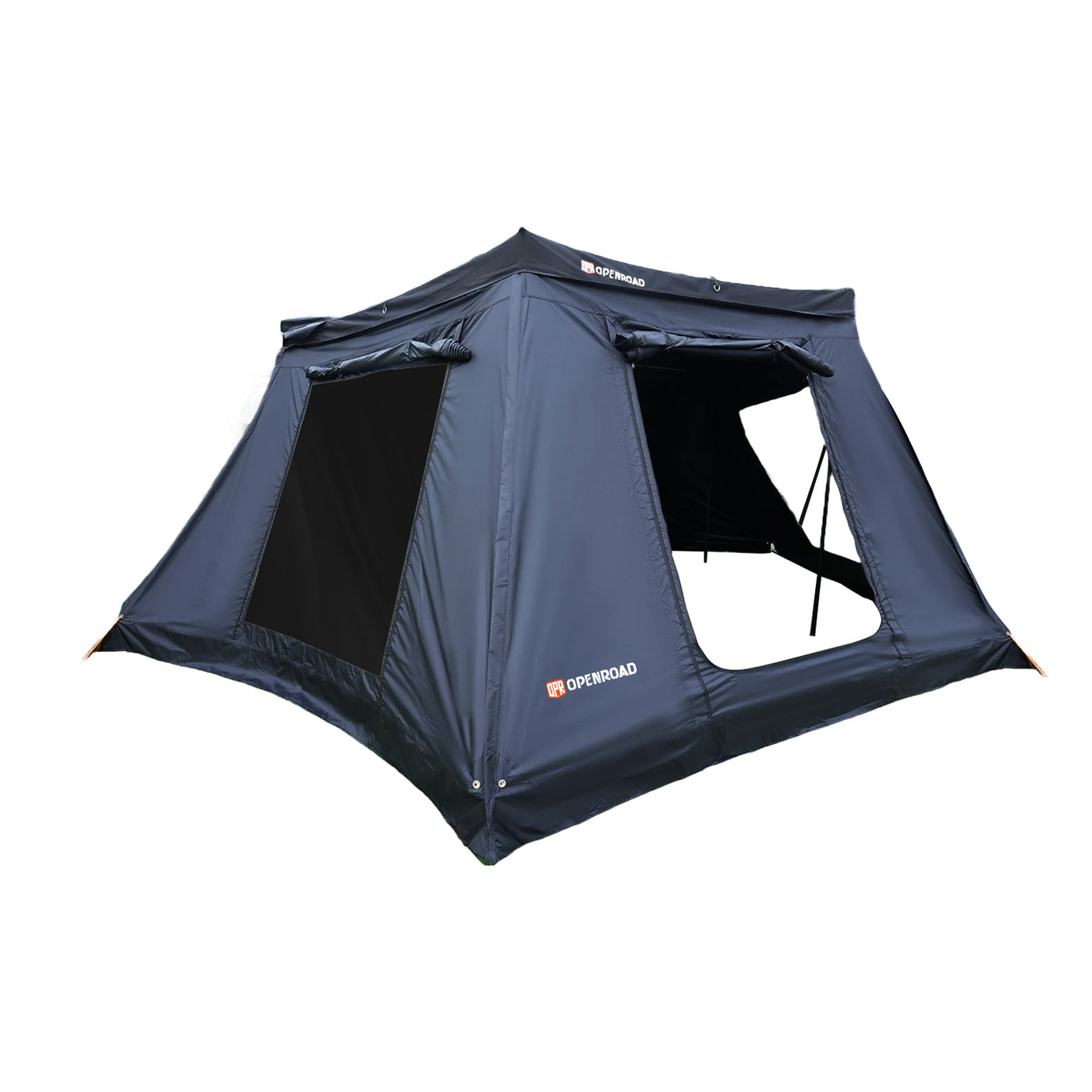
Ground tents are ideal for families, groups, and campers who want more space. Choose a model with separate sleeping quarters, bag storage, or a covered area for resting. While driving to local attractions, you can leave your campground standing.
When you regularly change campgrounds and want to keep your sleeping gear in the van, a rooftop tent is a better option. You don't need a tent bag inside the cabin, but you must open, secure, and seal the tent at each stop.
Consider your regular weekend. If you stay at one spot often, a ground tent may be better. With multiple overnight stops, a rooftop arrangement may simplify the routine.
Car Roof Tent Camping for Road Trips
Car roof-tent camping is popular among people who want to drive and spend the night without unpacking a tent.
Imagine approaching camp after nightfall. Park on suitable ground and open your sleeping space with a compatible rooftop tent without searching for a huge, clean stretch of land. Raised sleeping platforms avoid direct contact with muddy or moist ground.
Rooftop camping requires preparation. Your vehicle must have an appropriate mounting mechanism, and the combined weight of the tent and rack must be within the manufacturer's specifications. Also consider roof equipment, vehicle height, and overhead clearance.
Limitations include your sleeping space while traveling with your vehicle. Packing the tent is required before leaving camp for a day trip. Keeping your campsite ready while touring is easier with a ground tent.
Car Roof Top Tent and Car Top Tent Designs
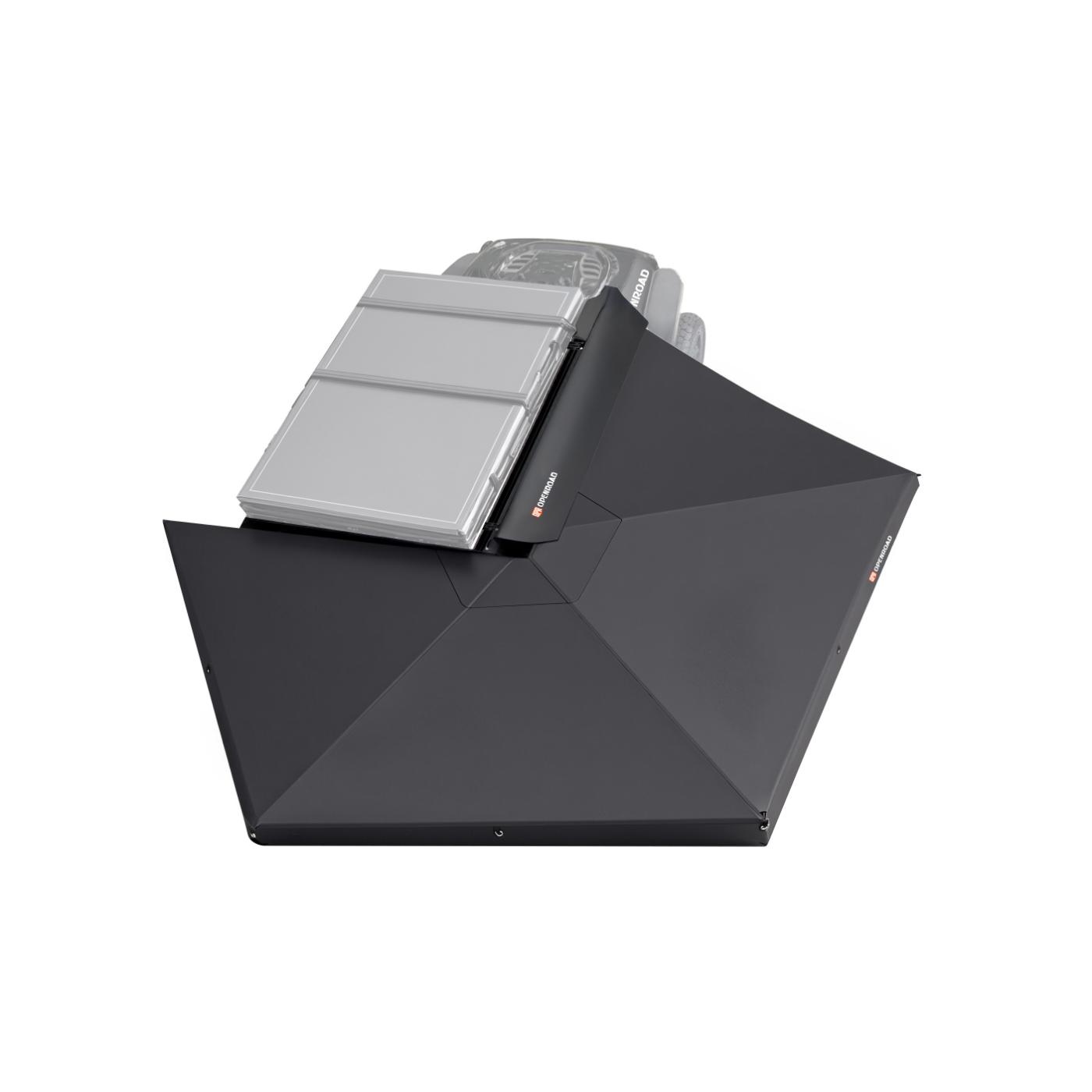
A car rooftop tent or car top tent folds for transport and opens for sleeping when parked. Rooftop tents are usually hard-shell or soft-shell.
A rigid outer shell closes around hard-shell tents while not in use. Opening and closing might be simple depending on the mechanism. These designs may fit frequent overnight travelers who like compact setups.
Soft-shell variants unfold from a covered base and may have a larger sleeping area than their packed footprint suggests. Their opening process may require additional steps, so check the model.
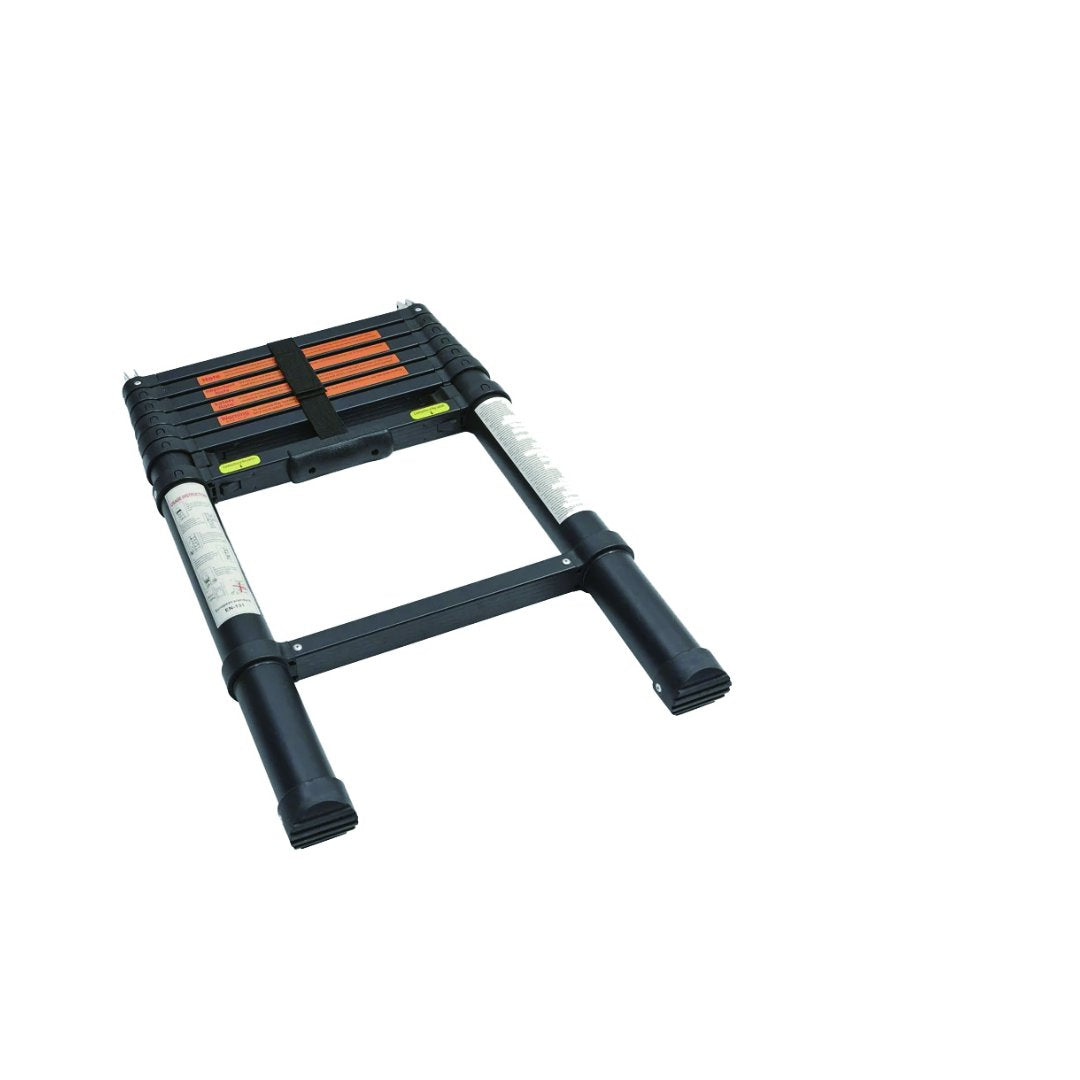
When comparing camping car top tents, consider sleeping space, packed height, weight, ladder layout, and mounting needs. If you want to use baggage carriers or awnings, make sure the tent has enough area.
Jeep Top Tent Options for Trail Adventures
A Jeep top tent may turn a compatible vehicle into an overnight base for distant road trippers. Couples or solo hikers who switch trailheads and campsites may benefit from a roof jeep tent.
Always prioritize compatibility before beauty. Make sure you know your car's roof rack dynamic roof load limit when driving and its stationary load limit. These grades serve distinct purposes; therefore, a Jeep rack may not fit every rooftop tent.
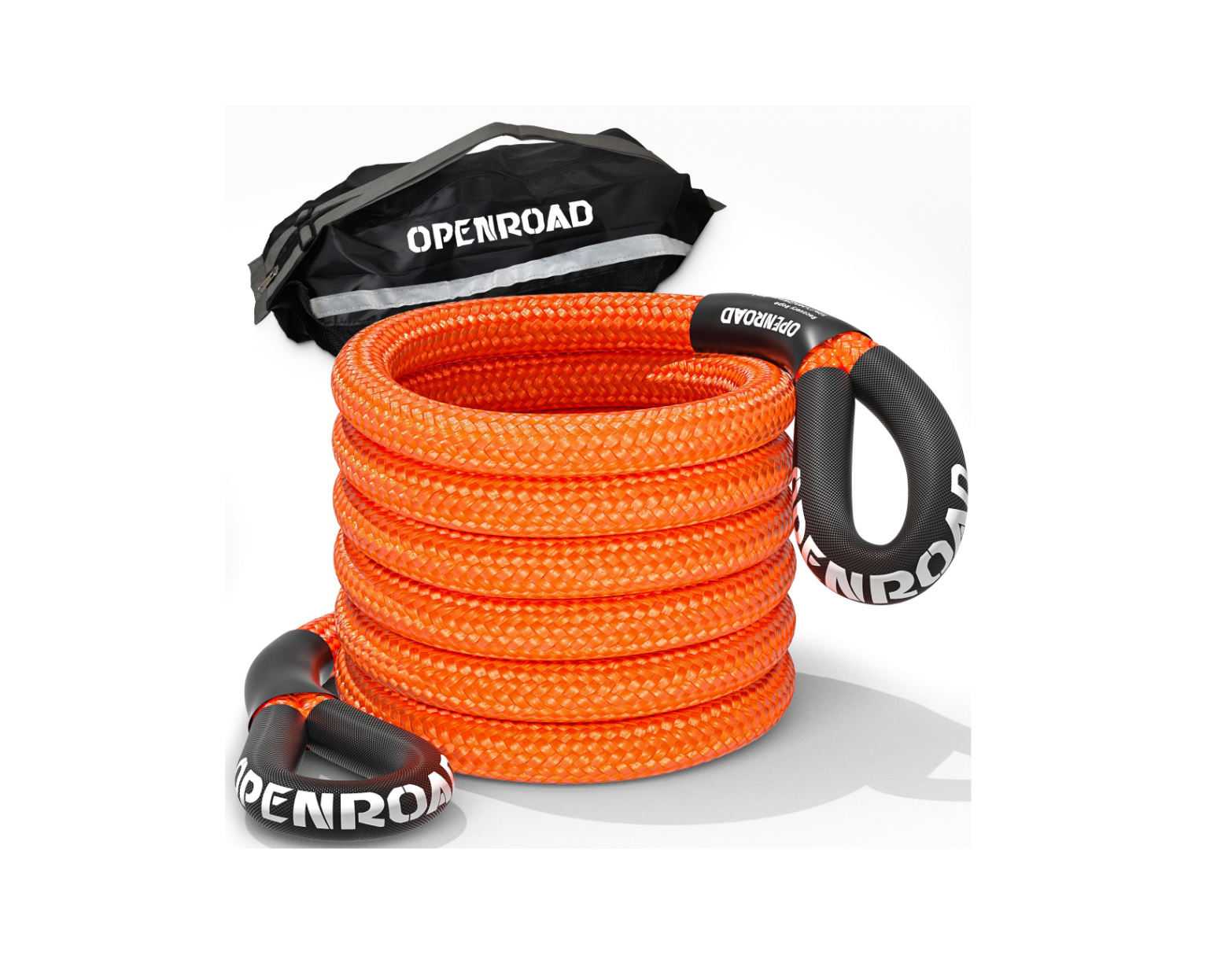
Take into account your other gear. Space and load might be affected by recovery gear, storage boxes, awnings, and other roof accessories. A well-planned setup makes daily drives and longer adventures easier.
Open Roof Tent Designs and Setup Considerations
When unfolded, an open roof tent creates a raised sleeping space. The design determines the opening mechanism; therefore, setup time and stages vary by model.
EdgeRoof and PeakRoof LT V2 aluminum hard-shell rooftop tents are on sale from OPENROAD. These help customers compare roofing designs. Review product details, accessories, mounting requirements, and vehicle compatibility before buying.
Remember that rapid setup does not replace thorough installation. Before use, park the car on level ground, secure the tent, and set up the ladder.

Comfort, Space, and Weather Protection
Neither rooftop nor ground tents are always more comfortable. Ladders are needed to access the sleeping platforms of rooftop tents. Small children or those who like simple entry and egress may find this less handy.
Ground tents offer extra sleeping options and space for changing, storing bags, and relaxing. Families camping for numerous nights may benefit from larger models.
We also need to consider weather. Raised tents are not wind- or rain-proof. Instead of assuming all rooftop and ground versions are acceptable for all seasons, read the manufacturer's instructions. Designs, fabrics, and weather ratings vary. Avoid using either shelter outside its bounds.
Roof Top Tent vs Truck Cap: Planning a Complete Setup
A truck cap covers the truck bed and protects the cargo, while a rooftop tent provides a sleeping area. Some truckers can use a rooftop tent with a compatible cap, depending on the product and mounting mechanism.
Choosing a rooftop tent may be best for overnight comfort. If you carry tools, recovery gear, or camping gear that needs an enclosed space, a truck cap may be a better option.
Check the load ratings and compatibility of the vehicle, cap, rack, and tent before combining them. The total configuration must be certified for loads and mounting.
Choose a Camping Setup That Fits Your Travel Style
Campers who want flexibility, wider floor designs, and the opportunity to leave their shelter at the campsite should consider ground tents. Regular road trippers who desire an integrated sleeping setup and move between destinations may use rooftop tents.
Before buying, consider how many people will sleep inside, how often you change campgrounds, how much gear you bring, and if your vehicle can securely support a rooftop setup. Choose based on these practical needs to maximize your camping vacations.


Laissez un commentaire